


Steel Wire Rope Market Innovations: High-Strength and Corrosion-Resistant Solutions
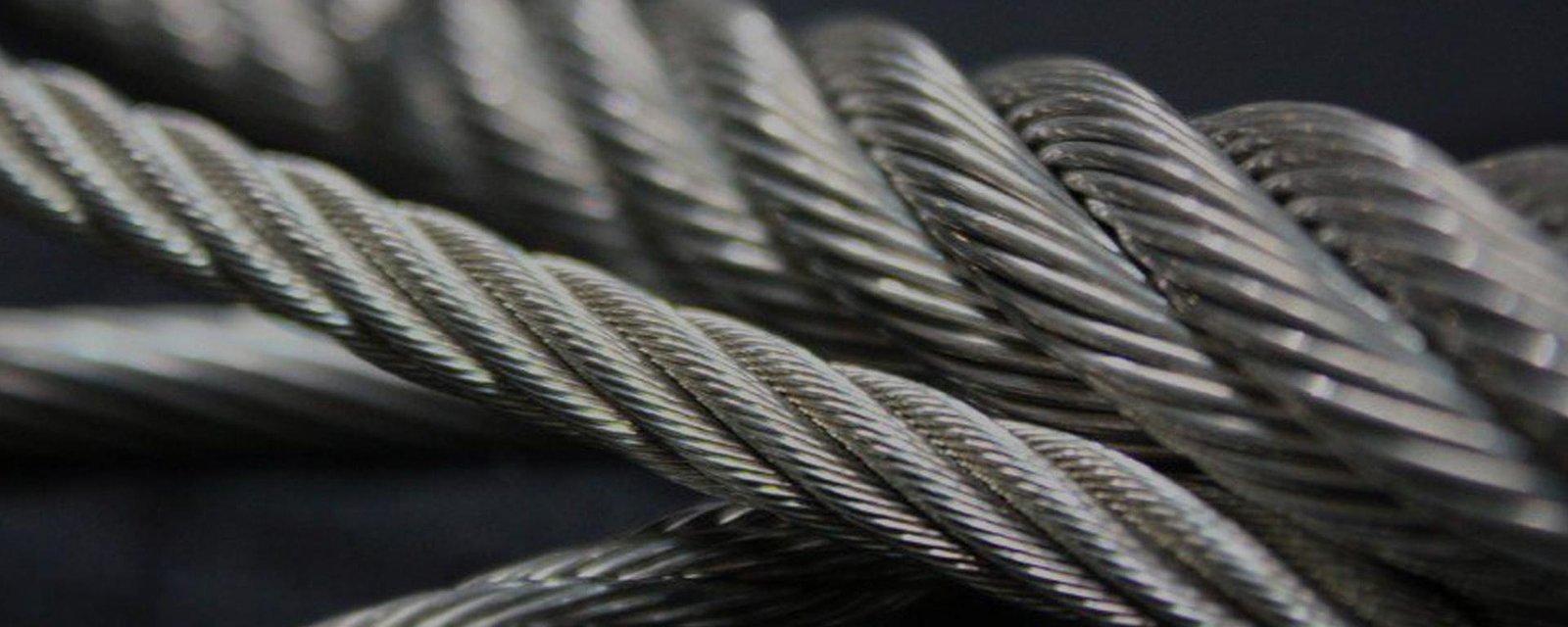
Innovation is at the heart of progress in the steel wire rope market, particularly as industries demand higher performance, longer lifespans, and enhanced safety from lifting and tensioning systems. Over the past decade, advancements in metallurgy, coating technology, design optimization, and smart monitoring have reshaped how steel wire ropes are manufactured and applied. Today, the focus is squarely on creating high-strength and corrosion-resistant solutions that can thrive in demanding environments—from offshore oil rigs to high-rise construction sites and automated factories.
The Need for Innovation
The growing complexity of industrial applications has created an urgent demand for steel wire ropes that can:
-
Handle greater loads without increasing weight
-
Resist abrasion, fatigue, and environmental corrosion
-
Operate reliably in extreme temperatures and pressures
-
Support digital monitoring systems for predictive maintenance
These challenges have driven manufacturers to invest in research and development (R&D), resulting in breakthrough innovations across the value chain.
1. High-Strength Wire Ropes
Advanced Material Alloys
Modern steel wire ropes are increasingly made with specialized alloys containing chromium, nickel, molybdenum, and vanadium. These elements improve the tensile strength and fatigue resistance of the rope without significantly adding to its weight.
Compacted Strands and Plastic-Infused Cores
Compacted wire ropes feature strands that are pressed into a denser profile, increasing surface contact and reducing internal abrasion. Plastic-impregnated cores enhance structural stability, reduce internal corrosion, and maintain lubrication over time.
Multi-Strand and Rotation-Resistant Designs
Ropes with more complex strand patterns (e.g., 35x7 or 19x19) offer better flexibility and load distribution. Rotation-resistant ropes are especially important in cranes and elevators, where stability is critical under torsional stress.
2. Corrosion-Resistant Coatings
Galvanization (Zinc Coating)
The most common method, hot-dip galvanizing, provides a sacrificial layer that protects the steel rope from rust and corrosion. Electro-galvanized ropes offer a thinner but smoother finish, ideal for indoor or less aggressive environments.
Stainless Steel Wire Ropes
These ropes inherently resist corrosion due to the chromium oxide layer on their surface. Widely used in marine, chemical, and medical environments, stainless steel ropes offer superior longevity with minimal maintenance.
Polymer and Plastic Coatings
Modern ropes now feature outer polymer jackets or full plastic coatings that prevent water ingress, reduce abrasion, and enhance visibility. These are used in mining, offshore drilling, and construction where moisture and friction are concerns.
3. Smart Wire Rope Technology
The integration of digital technology is redefining how wire ropes are managed. Smart wire ropes are embedded with sensors that monitor:
-
Load tension
-
Rope elongation
-
Number of usage cycles
-
Temperature and environmental conditions
Real-time data is transmitted to operators via wireless devices or integrated crane control systems, enabling predictive maintenance and reducing the risk of sudden failures. This innovation is especially valuable in mission-critical operations such as mining, oil & gas, and aerospace.
4. Sustainable Manufacturing Practices
As environmental concerns grow, steel wire rope manufacturers are innovating in sustainability:
-
Use of recycled steel and low-carbon alloys
-
Closed-loop water systems in manufacturing plants
-
Eco-friendly lubricants and coatings free of heavy metals
-
Longer-lasting products that reduce waste and replacement cycles
The trend toward green construction and renewable energy projects (e.g., offshore wind farms) is boosting demand for environmentally responsible wire rope solutions.
5. Sector-Specific Innovations
Construction and Infrastructure
-
Ultra-lightweight ropes for tower cranes with higher strength-to-weight ratios
-
Ropes with flame-retardant coatings for underground projects
Marine and Offshore
-
Dual-protected ropes (galvanized + polymer coating) for enhanced corrosion resistance
-
Floating ropes for deep-sea mooring with minimal maintenance requirements
Mining and Industrial
-
Ropes with enhanced fatigue life for high-frequency lifting
-
Specialized lubrication systems that reduce internal friction
Market Impact and Competitive Advantage
Innovation in steel wire ropes is no longer optional—it’s a competitive necessity. Companies that can deliver superior performance and durability gain a clear advantage in price-sensitive and safety-critical markets.
Leading innovators in this space include:
-
Bridon-Bekaert: Known for smart lifting solutions
-
Kiswire: Focused on ultra-high-strength products
-
Teufelberger: Specializing in compact ropes and coated variants
-
WireCo WorldGroup: Pioneering in corrosion and fatigue resistance technologies
Future Outlook (2025–2030)
As technology evolves, the steel wire rope market is expected to witness:
-
Higher integration with IoT platforms
-
Custom-made ropes for niche applications like space exploration and smart logistics
-
Hybrid ropes combining steel with carbon fiber or Kevlar for specialty needs
-
Greater regulatory oversight, pushing for safer, more sustainable products
With increasing investments in automation, offshore energy, and urban construction, high-performance ropes will become indispensable across industries.
Conclusion
Innovation is driving the next era of growth in the steel wire rope market. From high-strength alloy formulations to smart, sensor-enabled systems, the industry is responding to modern engineering challenges with cutting-edge solutions. Corrosion resistance, fatigue life, sustainability, and digital integration are no longer value-added—they are expected. As industries evolve and infrastructure becomes smarter and taller, steel wire ropes must keep up, and those embracing innovation will lead the way.


 Arabic
 Français
 Español
 Português
 Deutsch
 Türkçe
 Dutch
Dutch
 Italiano
 Russian
 Romaian
 Portuguese (Brazil)
 Greek
Greek