


Through Snow and Silence: A Journey to Spiti in Winter
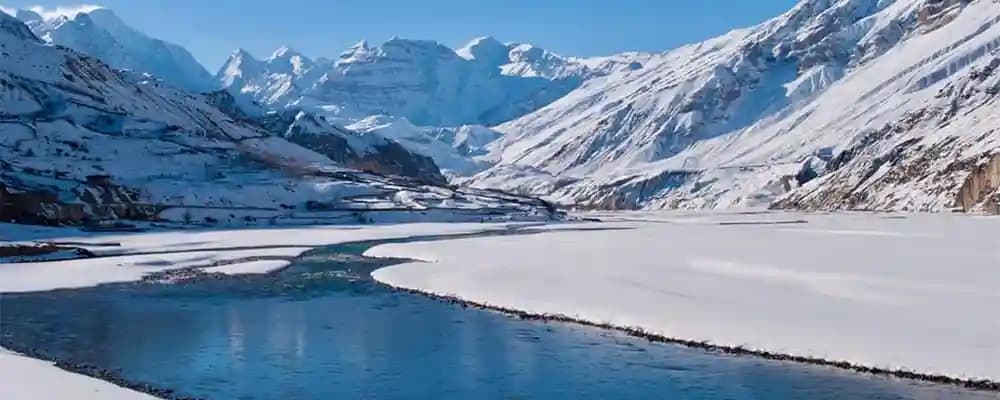
A Winter Spiti Expedition isn’t just about visiting a destination—it’s about surrendering to an experience that transforms the way you see life in the mountains. Unlike the colorful summer months when Spiti Valley welcomes bikers, trekkers, and casual travelers, the winter months carve a different story. The valley becomes a vast canvas painted white, where frozen lakes glisten under the sun, monasteries stand quietly against snow-laden cliffs, and villages adapt to the long silence of the cold season.
For many, a winter trip here feels like madness. The mercury dives to extreme lows, water freezes in pipes, and road journeys are unpredictable. But for the ones who dare, Spiti in winter offers rewards unlike anywhere else—raw adventure, rare wildlife encounters, unfiltered cultural exchanges, and landscapes that feel almost otherworldly.
This guide takes you through what makes a winter journey to Spiti so extraordinary, the challenges to prepare for, and the reasons it stays etched in memory long after you’ve returned.
Why Winter Adds Magic to Spiti
Spiti’s charm is undeniable year-round, but winter adds a character that no other season can match.
-
Stillness Everywhere – With fewer visitors, the silence of snow-clad mountains deepens the sense of solitude.
-
Unseen Beauty – The same villages and monasteries you see in summer wear a completely different look under snow.
-
Chance to Spot Rare Wildlife – From the snow leopard to blue sheep, winter is when they roam more freely.
-
Cultural Immersion – Less tourism means you spend more time inside homes with locals, sharing food and stories.
-
Adrenaline-Fueled Adventure – The cold, the roads, and the isolation make every small success feel like a big victory.
Getting to the Frozen Desert
While summer allows entry both from Manali and Shimla, winter changes the story. The Manali–Kaza route closes because Rohtang and Kunzum passes remain buried under snow. The only way in is through Shimla’s longer but safer route:
-
Delhi → Shimla → Narkanda → Reckong Peo → Kalpa → Nako → Tabo → Kaza
This road winds through apple orchards, frozen riversides, and cliffside paths carved into mountains. Snow and ice make driving challenging, but the journey becomes part of the adventure itself.
Preparing Yourself for the Expedition
Traveling here in winter isn’t like a typical vacation. It requires readiness, planning, and resilience.
Dress in Proper Layers
-
Thermal inners as the first line of defense.
-
Wool or fleece layers to trap warmth.
-
A windproof and waterproof jacket as the outer shield.
-
Snow boots with grip, warm gloves, and caps.
Pack the Right Essentials
-
Sunglasses to prevent snow glare.
-
Skincare—lip balm, sunscreen, and moisturizer.
-
Power banks and backup batteries (the cold drains devices).
-
Hot water bags or electric warmers for chilly nights.
Stay Healthy at High Altitudes
-
Keep drinking water even when you don’t feel thirsty.
-
Carry basic medicines for altitude sickness, headaches, and colds.
-
Plan buffer days for unexpected snow-blocked roads.
Daily Life in the Valley During Winter
Living in Spiti during the cold months is an experience in itself. You quickly realize that life here is all about adaptation.
-
Temperatures Below Freezing – Nights can hit -25°C, testing even seasoned travelers.
-
Weak Connectivity – Mobile networks are unreliable, with BSNL being the only patchy option.
-
Homestays Instead of Hotels – Most hotels shut down, but family-run homes stay open, offering simple food and cozy rooms.
-
Limited Sunlight – Short days mean you need to plan travel wisely.
-
Unmatched Warmth of People – Locals welcome visitors like family, making the harsh weather easier to bear.
Highlights You Shouldn’t Miss
Kaza – Winter Hub of Spiti
The central town turns into a snow-draped base camp. With frozen streams and quiet corners, it feels almost meditative.
The Timeless Key Monastery
This fortress-like monastery takes on a mystical appearance under snow. Sitting inside while monks chant is a rare winter blessing.
Kibber – Gateway to Snow Leopards
Known for snow leopard spotting, this village attracts adventurers and wildlife photographers during winter months.
The High Villages – Langza, Hikkim & Komic
-
Langza: Famous for fossils hidden under snow.
-
Hikkim: Home to the world’s highest functioning post office.
-
Komic: One of the highest inhabited villages in the world, looking surreal against the frozen backdrop.
Ancient Tabo & Frozen Nako
-
Tabo Monastery: Over a thousand years old, filled with ancient murals.
-
Nako Lake: A sheet of ice reflecting the sky and surrounding mountains.
The Local Way of Life
Winters slow everything down in Spiti, but they also bring communities closer.
-
Families gather around the bukhari (wood stove) to keep warm.
-
Guests are offered salty butter tea and local breads.
-
Storytelling and folk songs fill long evenings.
Staying in homestays gives travelers the privilege to be part of this rhythm, even if only for a short while.
Challenges You Must Accept
Traveling here in the coldest months isn’t without obstacles—but these hurdles add flavor to the adventure.
-
Water pipes freeze, making dry toilets the norm.
-
Snowstorms can block roads suddenly.
-
Electricity may cut off for hours or days.
Yet, enduring these hardships leaves you with a sense of achievement few other journeys can offer.
Choosing the Right Time
The best months for a winter trip are December to February.
-
December: The first heavy snows transform the valley.
-
January: Harsh but rewarding—best for wildlife sightings.
-
February: Slightly milder yet still frozen, ideal for travelers seeking balance.
By March, snow begins melting, easing travel but softening the valley’s white magic.
Smart Tips for First-Time Travelers
-
Join group tours or hire reliable local guides.
-
Carry enough cash—ATMs are unreliable in winter.
-
Always check weather updates before moving between towns.
-
Respect local traditions and avoid littering in fragile environments.
Suggested Interlink
For more detailed planning about how the region transforms in the snowy season, don’t miss this in-depth guide on Winter Spiti Valley.
Why This Journey Stays With You
What makes a Spiti winter expedition unforgettable isn’t just the landscapes—it’s the way it reshapes you. It tests your tolerance for cold, patience for delays, and openness to simplicity. But it rewards you with:
-
The joy of standing alone in vast white silence.
-
The thrill of spotting a snow leopard in its natural home.
-
The comfort of tea shared with locals by a warm fire.
In Spiti’s frozen months, you don’t just visit—you feel, you learn, and you grow.
Conclusion
A winter trip to Spiti isn’t for everyone. It’s challenging, unpredictable, and far from comfortable. But for those who dare, it offers a lifetime of stories and soul-stirring experiences.




 English
 Arabic
 Français
 Español
 Deutsch
 Türkçe
 Dutch
Dutch
 Italiano
 Russian
 Romaian
 Portuguese (Brazil)
 Greek
Greek