


Leonardo da Vinci Museum in Rome & Appian Way: Complete Travel Guide for 2025

Rome is a city where history, art, and culture come alive in every corner. From ancient ruins to Renaissance masterpieces, it has something for every traveler. Among the many gems that this eternal city offers, two experiences stand out: the Leonardo da Vinci Museum in Rome and the historic Appian Way in Rome. Whether you’re an art lover, a history buff, or simply on a memorable trip to Europe, these two attractions are must-visits that will enrich your Roman journey. This guide will walk you through their history, highlights, ticket details, timings, and the best ways to explore them.
Leonardo da Vinci Museum in Rome: A Window into Genius
History and Overview
The Leonardo da Vinci Museum in Rome is a tribute to one of the greatest minds in human history. Situated in the heart of the city, it celebrates the works and inventions of the Renaissance polymath whose genius spanned across painting, engineering, anatomy, and architecture. The museum is more than just a display — it’s an interactive journey that lets you step into Leonardo’s world.
Tickets and Entry
-
Standard Tickets: Prices usually range between €12–€14, with reduced rates for students, seniors, and children.
-
Family Packages: Discounted entry for families is available, making it a great educational stop for kids.
-
Booking: Online reservations are highly recommended to avoid waiting.
Timings
-
Open daily from 9:00 AM – 7:30 PM.
-
Closed on select holidays like December 25 and January 1.
Best Time to Visit
Visiting in the early morning or late afternoon ensures fewer crowds. Winter months also offer a quieter experience while summer brings in higher footfall.
Highlights of the Museum
-
Interactive Machines: Full-scale models based on Leonardo’s designs for flying machines, hydraulic pumps, and weapons.
-
Artistic Reproductions: High-quality replicas of his famous works including The Last Supper and Vitruvian Man.
-
Anatomical Studies: Detailed sketches showcasing his pioneering research in human anatomy.
-
Multimedia Installations: Modern technology used to explain Leonardo’s concepts.
Appian Way in Rome: The Ancient Road of Empires
History and Overview
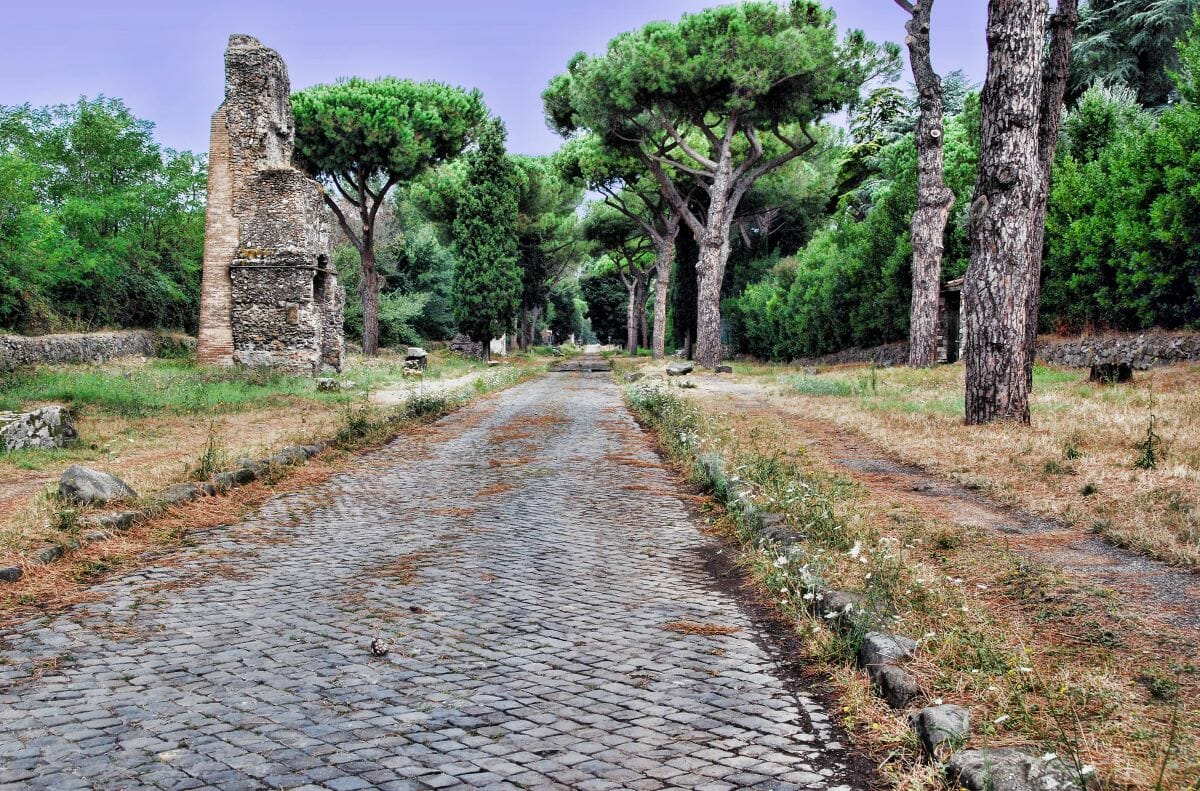
The Appian Way in Rome (Via Appia Antica) is one of the oldest and most important roads of the Roman Empire. Built in 312 BC, it stretched over 350 miles, connecting Rome to the southern regions of Italy. Known as the “Queen of Roads,” the Appian Way was crucial for military campaigns, trade, and travel. Today, it stands as a fascinating historical site where you can literally walk in the footsteps of emperors, generals, and gladiators.
Tickets and Entry
-
Access to the road itself is free.
-
Nearby attractions like catacombs and ancient villas may require separate tickets ranging from €5–€10.
-
Bicycle rentals are available for those wanting to explore larger sections.
Timings
-
The Appian Way is open year-round.
-
Specific attractions along the road (like Catacombs of San Sebastiano) have set timings, usually 10:00 AM – 5:00 PM.
Best Time to Visit
Spring and autumn are ideal due to pleasant weather. Early mornings are perfect for exploring on foot or bike without large crowds.
Highlights Along the Appian Way
-
Catacombs of San Sebastiano and San Callisto: Early Christian burial sites with deep historical significance.
-
Cecilia Metella Mausoleum: A monumental tomb dating back to the 1st century BC.
-
Ancient Villas and Ruins: Scattered remains of Roman villas that showcase the grandeur of the era.
-
Scenic Landscapes: Cypress-lined paths and countryside views add to the charm.
Planning Your Visit: Practical Tips
-
Getting There: Both sites are accessible via Rome’s public transport, with buses and metro connections available.
-
Combining Visits: Dedicate half a day to the Leonardo da Vinci Museum and another half to walking or biking along the Appian Way.
-
Guided Tours: Consider booking guided tours for detailed insights and stories that bring history alive.
-
Comfortable Clothing: Wear comfortable shoes, especially for the Appian Way, as much of the path is cobbled.
-
Time Allocation: Allow at least 2–3 hours for the museum and 3–4 hours for exploring the Appian Way.
Why These Two Attractions?
The Leonardo da Vinci Museum highlights the genius of a man who shaped art and science, while the Appian Way takes you back to the roots of Rome’s imperial power. Together, they provide a perfect balance of Renaissance brilliance and ancient grandeur. Visiting both offers an immersive journey across centuries within the same city.
Conclusion
Exploring the Leonardo da Vinci Museum in Rome and the Appian Way in Rome is like weaving together two threads of history — the revolutionary ideas of the Renaissance and the enduring legacy of Ancient Rome. If you’re planning your next trip to Europe, make sure these two landmarks are part of your itinerary. They are not just attractions, but experiences that capture the very essence of Rome.


 English
 Arabic
 Français
 Español
 Português
 Deutsch
 Türkçe
 Dutch
Dutch
 Italiano
 Russian
 Romaian
 Greek
Greek