


Causes and Prevention of Spider Veins in Islamabad
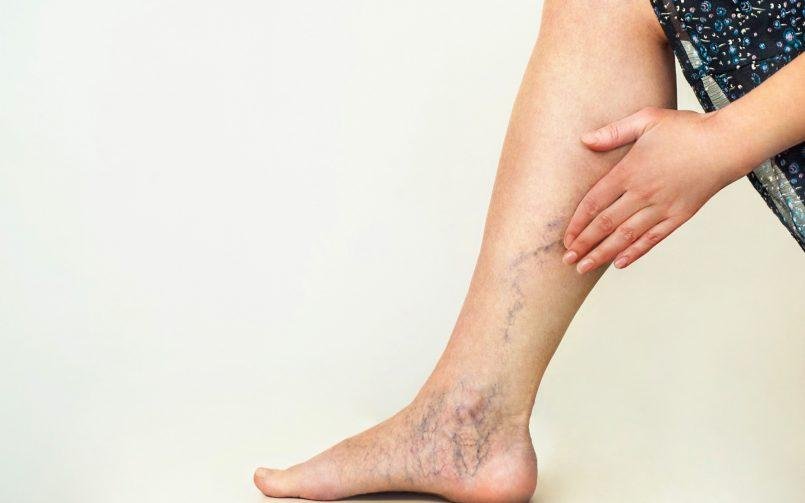
Spider veins, medically known as telangiectasias, are small, thin blood vessels that appear close to the surface of the skin. They typically present as red, blue, or purple lines, often forming a web-like pattern, most commonly on the legs and face. While generally harmless, spider veins can be a cosmetic concern and sometimes cause discomfort, such as itching, burning, or leg heaviness. Understanding the causes and preventive measures is key, especially for residents of Islamabad, where lifestyle, climate, and local environmental factors can influence vein health. Spider veins treatment in Islamabad offers safe, effective, and modern solutions to help you achieve smoother, clearer, and more confident-looking skin.
Causes of Spider Veins
Spider veins develop due to multiple interconnected factors that can weaken vein walls, disrupt blood flow, or increase pressure within veins.
1. Genetic Predisposition
Family history plays a significant role in the development of spider veins. If one or both parents had spider veins or varicose veins, individuals are at a higher risk. Genetic factors may influence vein structure, elasticity, and the strength of vein valves, making some people naturally more prone to vein problems.
2. Hormonal Influences
Hormonal changes can significantly impact vein health. Women are more likely than men to develop spider veins due to hormonal fluctuations during puberty, pregnancy, menstruation, or menopause. Hormone therapy and birth control pills may also contribute to increased risk, as estrogen can weaken vein walls and affect blood flow.
3. Ageing and Loss of Vein Elasticity
As people age, veins gradually lose elasticity, and the valves that prevent blood from flowing backward may weaken. This can lead to blood pooling and increased pressure, contributing to the formation of spider veins. Even individuals with healthy lifestyles can develop spider veins with age.
4. Prolonged Standing or Sitting
Occupational and lifestyle factors in Islamabad, such as office jobs, shopkeeping, teaching, or other roles that involve long periods of standing or sitting, can increase pressure in the veins of the legs. Blood has to work against gravity to return to the heart, and prolonged immobility can cause pooling, vein dilation, and eventually spider veins.
5. Obesity and Poor Circulation
Excess body weight increases pressure on the veins, particularly in the legs, contributing to the formation of spider veins. Poor circulation and sedentary habits exacerbate this problem, as blood flow becomes sluggish and veins are under continuous stress.
6. Sun Exposure and Skin Damage
Excessive sun exposure can damage the delicate veins of the face, especially around the nose and cheeks. In Islamabad, where UV exposure can be significant, sun damage can contribute to broken or visible veins.
7. Trauma or Injury
Injuries to the skin or veins, including minor trauma or surgical procedures, can weaken veins or cause new spider veins to form in the affected area.
8. Underlying Venous Conditions
Sometimes spider veins develop secondary to underlying venous insufficiency, where deeper veins fail to pump blood efficiently. Treating superficial veins without addressing the root cause may lead to recurrence.
Prevention of Spider Veins
While genetics and age cannot be changed, many risk factors for spider veins can be managed with preventive strategies, combining lifestyle modifications, daily habits, and local care practices suitable for Islamabad’s environment.
1. Regular Physical Activity
Exercise promotes healthy circulation and strengthens leg muscles, which assist veins in pushing blood back to the heart. Walking, cycling, swimming, and yoga are particularly effective. Residents of Islamabad can take advantage of parks and walking paths to incorporate daily physical activity into their routines.
2. Avoid Prolonged Standing or Sitting
If your job requires standing or sitting for long periods, take breaks every hour to move around or stretch your legs. Simple exercises like ankle rotations, calf raises, or walking short distances help maintain blood flow and prevent pooling in the lower legs.
3. Maintain Healthy Weight
Managing body weight reduces stress on leg veins and improves overall circulation. A balanced diet rich in fiber, lean proteins, and antioxidants supports vascular health, while reducing processed foods, excess salt, and sugar can prevent inflammation and vein strain.
4. Wear Compression Stockings
Compression stockings apply gentle, graduated pressure on the legs, helping veins return blood to the heart and reducing the risk of spider vein formation. They are especially beneficial for individuals with occupational or hereditary risk factors.
5. Protect Skin from Sun Exposure
Using sunscreen and wearing protective clothing helps prevent sun-induced damage to superficial veins, especially on the face. Hats, scarves, or long-sleeve clothing can provide additional protection in Islamabad’s sunny climate.
6. Avoid High Heels and Tight Clothing
High heels and tight clothing can restrict blood flow in the legs. Opting for comfortable footwear and clothing that allows proper circulation reduces the strain on veins.
7. Elevate Legs When Resting
Raising your legs above heart level during rest or sleep helps facilitate venous return, reduces pressure in the leg veins, and prevents blood from pooling. Even 15–20 minutes several times a day can be beneficial.
8. Seek Early Medical Advice
Consulting a dermatologist or vascular specialist at the first sign of spider veins allows early intervention. Non-invasive treatments, such as sclerotherapy or laser therapy, are more effective when veins are small and superficial. Early treatment can prevent progression and the formation of more extensive venous issues.
Conclusion
Spider veins in Islamabad are influenced by a combination of genetic, hormonal, lifestyle, and environmental factors. While some causes, like family history or ageing, cannot be changed, adopting preventive measures can significantly reduce risk and slow progression. Regular exercise, maintaining healthy weight, avoiding prolonged immobility, using compression stockings, protecting skin from sun, and elevating legs are all practical strategies. Early consultation with medical professionals ensures timely intervention, helping residents achieve healthier veins, improved appearance, and greater comfort in daily life.



 Arabic
 Français
 Español
 Português
 Deutsch
 Türkçe
 Dutch
Dutch
 Italiano
 Russian
 Romaian
 Portuguese (Brazil)
 Greek
Greek