


Spot Welder: The Essential Guide for Industrial Manufacturers
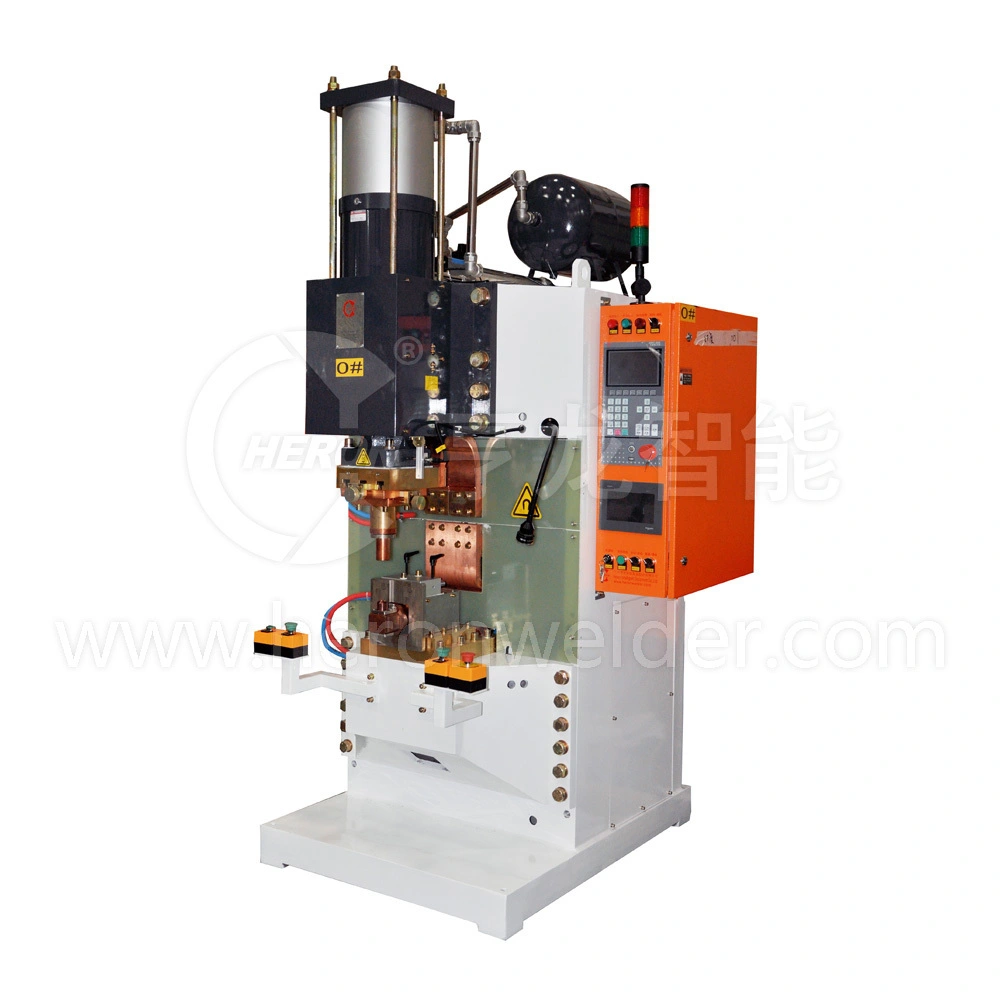
In modern manufacturing, precision, speed, and reliability are paramount. Among the myriad of welding technologies available, spot welding stands out as a cornerstone for joining sheet metal efficiently and consistently. A spot welder is not only integral to automotive assembly lines but also to electronics, appliance manufacturing, and heavy industry applications.
At Heron Welder, we specialize in designing and supplying high-performance spot welders and automated welding solutions that empower OEMs, factory engineers, and automation integrators to optimize production while maintaining exceptional quality standards.
What is a Spot Welder?
A spot welder is a type of resistance welding machine used to join two or more metal sheets at specific points by applying heat generated from electrical resistance and mechanical pressure. The process is fast, energy-efficient, and produces strong, localized welds without requiring filler materials.
Key components of a spot welder include:
-
Electrodes: Conduct current into the metal sheets and apply pressure.
-
Transformer: Provides the high current necessary for welding.
-
Control System: Ensures precise timing, current flow, and weld consistency.
-
Cooling System: Maintains electrode and machine temperature for uninterrupted operation.
How a Spot Welder Works
The operation of a spot welder follows a simple yet highly controlled process:
-
Clamping: Electrodes clamp the metal sheets together.
-
Current Flow: A high electrical current passes through the sheets at the contact point.
-
Heat Generation: Electrical resistance at the interface generates heat, melting the metal locally.
-
Solidification: The molten metal solidifies under electrode pressure, forming a strong weld nugget.
This process can be completed in milliseconds, making spot welding one of the fastest and most efficient methods for joining sheet metal.
Applications of Spot Welding
Spot welders are versatile and widely used in industries that demand repetitive, high-quality welds. Common applications include:
-
Automotive Manufacturing: Joining car body panels, chassis components, and brackets.
-
Electrical Appliances: Fabricating washing machines, refrigerators, and HVAC units.
-
Electronics: Assembly of battery packs, enclosures, and metal frames.
-
Aerospace & Defense: Lightweight structural components requiring precise spot welds.
-
Metal Furniture & Fixtures: Quick assembly of steel and aluminum components.
At Heron Welder, we provide spot welding systems optimized for these industries, including manual, semi-automatic, and fully automated production lines.
Spot Welder vs. Other Resistance Welding Methods
Understanding the distinction between spot welding and other resistance welding techniques helps manufacturers choose the right solution:
| Welding Method | Application | Key Advantages |
|---|---|---|
| Spot Welding | Sheet metal joining | Fast, energy-efficient, localized welds |
| Seam Welding | Continuous seams on tanks, pipes | Continuous joints, leak-proof welds |
| Projection Welding | Components with raised features | Consistent welds on complex geometries |
| Capacitor Discharge Welding | Thin metals and small components | Extremely fast, precise welds with minimal heat |
Heron Welder offers the full range of resistance welding technologies, allowing manufacturers to select machines tailored to their production requirements.
Best Practices for Using a Spot Welder
To maximize the performance of your spot welder, consider the following best practices:
-
Electrode Maintenance: Regularly dress and replace electrodes to ensure consistent weld quality.
-
Material Preparation: Clean and align sheets accurately to prevent weld defects.
-
Optimal Settings: Adjust current, force, and weld time according to sheet thickness and material type.
-
Automation Integration: Implement robotic arms or conveyors for repetitive production to increase throughput and reduce operator fatigue.
-
Cooling and Safety: Ensure proper cooling to prevent overheating and follow safety protocols to protect personnel.
Heron’s advanced MFDC and inverter spot welders provide precise control over weld parameters, making it easier for manufacturers to maintain quality while improving cycle times.
Why Choose Heron for Spot Welding Solutions?
Heron Welder is a trusted global manufacturer of resistance welding machines and automation solutions. Our offerings include:
-
High-efficiency spot welders for sheet metal of various thicknesses.
-
MFDC, AC, and capacitor discharge systems for specialized applications.
-
Automated welding lines and robotic integration for large-scale production.
-
Expert consultation for customized solutions that align with your manufacturing goals.
With decades of engineering expertise, Heron combines reliability, precision, and innovation to help manufacturers optimize processes and reduce operational costs.
Frequently Asked Questions (FAQs)
1. What materials can be welded with a spot welder?
Spot welders are suitable for steel, stainless steel, aluminum, and other conductive metals, depending on the machine configuration.
2. How thick can the metal sheets be for spot welding?
Sheet thickness typically ranges from 0.5 mm to 6 mm, but specialized machines can handle thicker materials with optimized current and electrode design.
3. Can spot welding be automated?
Yes. Robotic and conveyor-integrated spot welding systems enable high-volume production with consistent quality and minimal human intervention.
4. How do I ensure weld quality and consistency?
By monitoring weld parameters, maintaining electrodes, and using programmable controls, manufacturers can ensure uniform, defect-free welds.
5. What industries benefit most from spot welders?
Automotive, appliance manufacturing, electronics, aerospace, and metal fabrication industries rely heavily on spot welding for efficient, high-quality production.
Conclusion
A spot welder is an indispensable tool for manufacturers seeking fast, reliable, and cost-effective sheet metal joining solutions. By understanding its principles, applications, and best practices, industrial engineers and OEMs can enhance production efficiency and quality.
At Heron Welder, we provide not only state-of-the-art spot welding machines but also customized automated production solutions tailored to your needs.
Request a quote or consult our experts today to elevate your welding operations with Heron’s precision-engineered machines and automation expertise.




 English
 Arabic
 Español
 Português
 Deutsch
 Türkçe
 Dutch
Dutch
 Italiano
 Russian
 Romaian
 Portuguese (Brazil)
 Greek
Greek