


How to prepare your skin for chemical peels in Riyadh
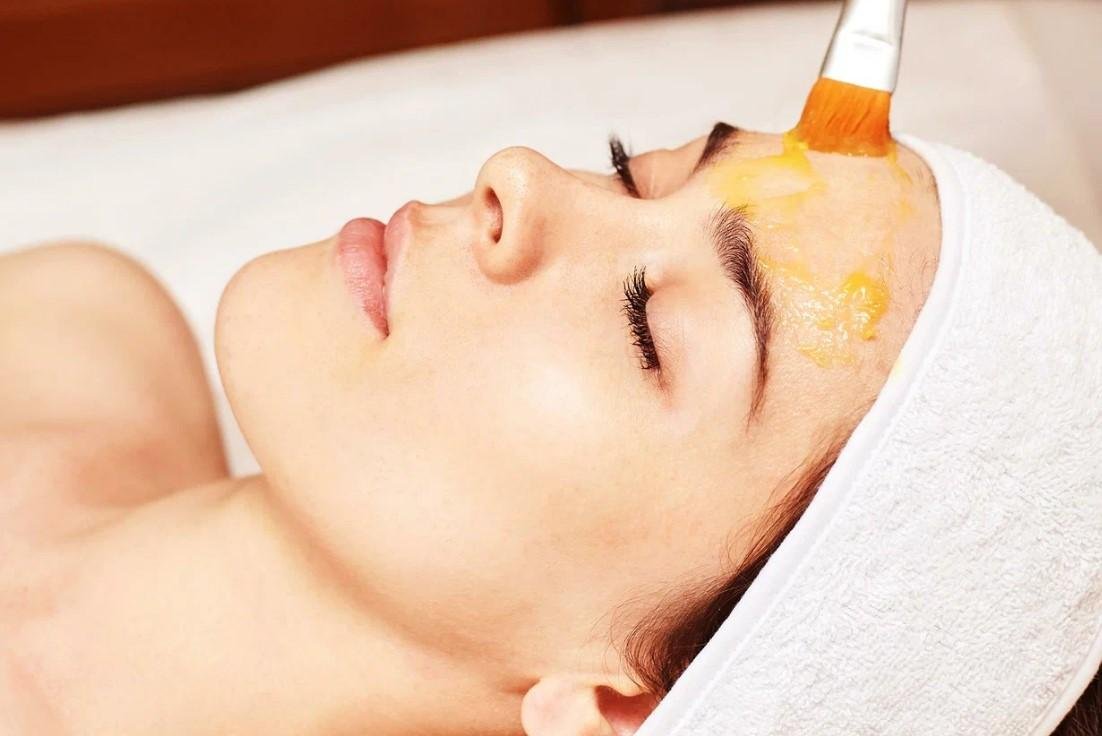
Chemical peels are one of the most effective treatments for improving skin texture, tone, and overall radiance. They are commonly used in Riyadh to address concerns such as acne scars, pigmentation, sun damage, fine lines, and dull skin. While chemical peels can provide impressive results, proper preparation is essential to ensure safety, maximize benefits, and minimize potential side effects. Preparing your skin before a peel allows it to respond better to the treatment and promotes faster, smoother recovery. Chemical Peels in Riyadh are a popular skincare solution for improving skin texture, reducing pigmentation, and achieving a brighter, more youthful complexion.
Why Skin Preparation Matters
Chemical peels work by exfoliating the outer layers of the skin and stimulating cellular regeneration. If the skin is not adequately prepared, the peel may cause excessive irritation, uneven results, or prolonged redness. Proper preparation also ensures that:
-
The peel penetrates evenly and effectively.
-
Risk of complications, such as inflammation, hyperpigmentation, or irritation, is reduced.
-
Skin heals more quickly and comfortably after the procedure.
In Riyadh, where the climate is hot and dry, pre-peel care is especially important to prevent dehydration and minimize irritation caused by environmental stressors.
Consultation with a Skin Professional
The first step in preparing for a chemical peel in Riyadh is a thorough consultation with a dermatologist or licensed aesthetic professional. During this session, your skin will be evaluated for:
-
Skin type and sensitivity: Some skin types may require milder peels or a series of preparatory treatments.
-
Existing skin conditions: Issues such as active acne, eczema, or rosacea may need to be managed prior to the peel.
-
Medical history: Certain medications, including retinoids or blood thinners, can influence the timing or type of peel.
-
Skin goals: The type and depth of peel will depend on whether you aim to treat fine lines, pigmentation, acne scars, or overall dullness.
This step ensures that the peel is customized for your skin’s needs and minimizes the risk of adverse reactions.
Pre-Peel Skincare Routine
Once your peel plan is established, a pre-peel skincare routine is recommended to optimize your results. Key steps include:
1. Gentle Cleansing
Begin using a mild, non-abrasive cleanser at least a week or two before the peel. Avoid harsh scrubs or exfoliants that may irritate the skin. Gentle cleansing removes dirt, oil, and makeup without compromising the skin’s protective barrier.
2. Moisturization
Hydrated skin responds better to chemical peels. Use a gentle, non-comedogenic moisturizer to strengthen the skin barrier and reduce dryness or sensitivity during the peel. Riyadh’s dry climate makes this step especially important.
3. Sun Protection
Sun exposure can increase the risk of pigmentation and sensitivity after a peel. Apply a broad-spectrum sunscreen daily with a high SPF. Avoid tanning beds and prolonged sun exposure in the weeks leading up to your peel.
4. Discontinue Certain Products
Some active ingredients can make your skin more sensitive to chemical peels. Dermatologists in Riyadh may advise temporarily stopping the use of:
-
Retinoids or prescription-strength vitamin A products
-
Strong exfoliating acids (like high-concentration glycolic or salicylic acid)
-
Harsh scrubs or abrasive tools
Discontinuing these products reduces the risk of excessive peeling, redness, or irritation.
Skin Priming
In some cases, skin priming may be recommended. This involves applying specific topical products for several days or weeks before the peel to prepare the skin. Common priming agents include:
-
Low-strength retinoids: Help accelerate cell turnover and improve peel penetration.
-
Hydroquinone or other brightening agents: Reduce the risk of post-inflammatory hyperpigmentation, especially in individuals with darker skin tones or pigmentation concerns.
-
Gentle acids: Mild glycolic or lactic acid products can gradually exfoliate the skin in preparation for the peel.
Priming ensures the peel is more effective and uniform, particularly for medium or deep chemical peels.
Lifestyle Considerations Before a Peel
Several lifestyle adjustments can enhance peel results and reduce complications:
-
Avoid waxing or hair removal: At least one week prior to a peel, avoid waxing, laser treatments, or other aggressive procedures on the area to prevent irritation.
-
Stay hydrated: Drinking adequate water helps maintain skin elasticity and supports healing.
-
Healthy diet: Nutrient-rich foods, particularly those high in antioxidants, can improve skin health and resilience.
-
Avoid alcohol and smoking: Both can impair healing and reduce the skin’s ability to recover effectively.
Day of the Peel
On the day of your chemical peel in Riyadh:
-
Cleanse your skin gently and avoid applying makeup or heavy creams.
-
Wear comfortable clothing if the peel involves the face, neck, or chest.
-
Follow any specific instructions provided by your dermatologist, such as taking a mild pain reliever or applying a protective barrier cream.
Proper preparation on the day of treatment helps ensure a smoother procedure and reduces the likelihood of complications.
Conclusion
Preparing your skin for a chemical peel in Riyadh is a critical step in achieving safe, effective, and long-lasting results. By consulting a professional, following a gentle skincare routine, protecting your skin from the sun, and making necessary lifestyle adjustments, you can enhance the peel’s benefits while minimizing risks. Proper preparation ensures that the skin is ready to exfoliate and regenerate, ultimately leading to a brighter, smoother, and more youthful-looking complexion. In Riyadh’s sunny, dry climate, pre-peel care is especially important to maximize results and maintain healthy, glowing skin after treatment.



 English
 Arabic
 Español
 Português
 Deutsch
 Türkçe
 Dutch
Dutch
 Italiano
 Russian
 Romaian
 Portuguese (Brazil)
 Greek
Greek