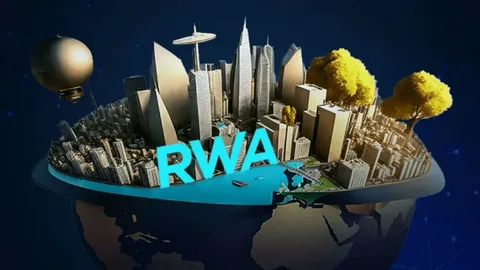
Real World Asset (RWA) platform development is becoming one of the most powerful innovations in the blockchain industry in 2026. It focuses on bringing physical and traditional financial assets onto blockchain networks by converting them into digital tokens. This process, known as real-world asset tokenization, is transforming how assets are owned, traded, and managed globally. By bridging the gap between traditional finance and decentralized systems, RWA platforms are unlocking new levels of liquidity, transparency, and accessibility for businesses and investors.
What is RWA Platform Development?
RWA platform development refers to the creation of blockchain-based systems that allow real-world assets such as real estate, commodities, bonds, invoices, and intellectual property to be represented digitally on a decentralized ledger. These platforms use smart contracts to define ownership rights, manage transactions, and ensure compliance with legal and financial regulations. Each asset is converted into digital tokens that represent partial or full ownership, enabling seamless transfer and trading on blockchain networks.
How Real-World Asset Tokenization Works
The process of tokenization begins with identifying and verifying a real-world asset. Once the asset is legally structured, it is evaluated and assigned a digital representation on the blockchain. Smart contracts are then created to define rules such as ownership distribution, transfer conditions, and profit sharing. These smart contracts generate tokens that represent the asset. Investors can purchase, trade, or hold these tokens, and all transactions are recorded on the blockchain, ensuring transparency and security throughout the lifecycle of the asset.
Importance of RWA Platform Development
RWA platform development is important because it solves one of the biggest challenges in traditional finance—asset illiquidity. Many high-value assets such as real estate and private equity are difficult to divide or trade easily. Tokenization makes these assets divisible, allowing multiple investors to own fractions of a single asset. This increases liquidity and opens investment opportunities to a wider audience. It also reduces dependency on intermediaries such as brokers and banks, making transactions faster and more cost-effective.
Key Features of RWA Platforms
Modern RWA platforms are designed with advanced blockchain features that ensure efficiency, security, and scalability. They include smart contract automation for managing asset rules, blockchain-based ownership verification for transparency, and secure token issuance systems for asset digitization. These platforms also support compliance frameworks to meet regulatory requirements, multi-asset tokenization capabilities, and integration with decentralized finance systems. Cross-chain compatibility is also becoming important, allowing assets to be accessed across multiple blockchain networks.
Use Cases of RWA Tokenization
RWA platforms are being used across multiple industries to digitize real-world assets. In real estate, properties are tokenized to allow fractional ownership and global investment access. In finance, bonds, equities, and private funds are being converted into digital tokens for easier trading and settlement. In commodities, assets like gold, oil, and agricultural products are tokenized to improve liquidity and transparency. Even intellectual property such as patents, music rights, and digital content can be tokenized to ensure fair revenue distribution. These use cases demonstrate how RWA platforms are reshaping traditional asset management systems.
Benefits of RWA Platform Development
RWA platform development offers several major benefits. It increases liquidity by allowing traditionally illiquid assets to be traded digitally. It enables fractional ownership, making high-value investments accessible to more people. It improves transparency by recording all transactions on blockchain networks. It reduces transaction costs by eliminating intermediaries and automating processes through smart contracts. It also enhances global accessibility, allowing investors from different regions to participate in asset markets without restrictions.
Challenges in RWA Development
Despite its advantages, RWA platform development comes with certain challenges. Regulatory compliance is one of the biggest concerns, as different countries have different laws regarding asset digitization and tokenization. Legal structuring of real-world assets can also be complex and time-consuming. Security risks in smart contracts require proper auditing to avoid vulnerabilities. Additionally, market adoption is still growing, and many users need better awareness and understanding of tokenized assets. However, ongoing advancements in blockchain regulation and infrastructure are helping address these challenges.
Future of RWA Platforms
The future of RWA platform development is highly promising as more industries move toward digital asset ecosystems. Integration with decentralized finance (DeFi) is expected to play a major role in expanding liquidity and investment opportunities. Artificial intelligence will also enhance asset valuation and risk assessment processes. Multi-chain interoperability will allow assets to move seamlessly across different blockchain networks. As global financial systems continue to evolve, RWA platforms will become a core part of the digital economy, connecting traditional assets with decentralized technologies.
Conclusion
RWA platform development is revolutionizing the way real-world assets are managed and traded by bringing them onto blockchain networks. It enhances liquidity, transparency, and accessibility while reducing traditional barriers in global investment systems. As adoption continues to grow, RWA platforms will play a crucial role in shaping the future of digital finance and asset ownership. Intelisync provides advanced RWA platform development services that help businesses tokenize real-world assets into secure, scalable, and future-ready blockchain solutions.




 Arabic
 Français
 Español
 Português
 Deutsch
 Türkçe
 Dutch
Dutch
 Italiano
 Russian
 Romaian
 Portuguese (Brazil)
 Greek
Greek