


India Water and Wastewater Pump Demand and Urban Network Expansion
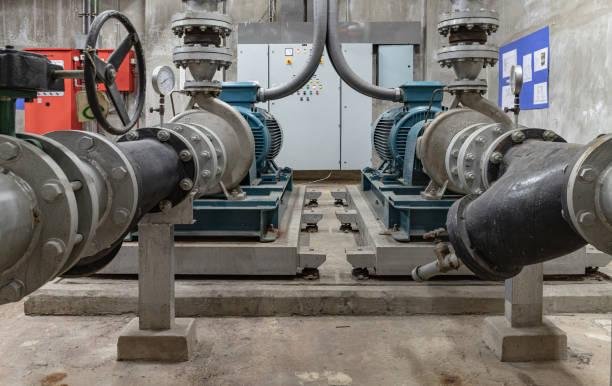
India’s water and wastewater infrastructure is expanding as urbanization, industrial growth, sanitation programs, housing development, and water security needs reshape utility planning. Pumps are essential across drinking water distribution, sewage conveyance, wastewater treatment plants, stormwater drainage, groundwater abstraction, irrigation support, and industrial effluent systems. As cities and industries grow, reliable pumping equipment is becoming central to service continuity and infrastructure modernization.
According to MarkNtel Advisors, the India Water and Wastewater Pump Market was valued at around USD 1.15 billion in 2025 and is projected to grow from USD 1.299 billion in 2026 to USD 1.745 billion by 2032, registering a CAGR of 5.0% during 2026–2032. The USD 1.745 billion outlook reflects rising investment in water supply, sewerage networks, wastewater treatment, and efficient pumping systems.
Urban Water Networks Are Driving Pump Demand
India’s expanding urban population is increasing pressure on water distribution, sewage collection, and wastewater treatment infrastructure. Pumps are needed for pressure boosting, raw water intake, sewer lifting, treatment plant operations, and stormwater movement. In large cities, they also support network balancing where demand varies by location, elevation, and service zone.
National water supply initiatives remain important to this transition. The Jal Jeevan Mission has strengthened attention on household tap water access and rural water infrastructure. As water supply systems expand, pumps are required to move water from sources to treatment facilities, storage reservoirs, distribution networks, and local communities.
Wastewater Treatment Is Becoming More Important
Wastewater management is a growing priority as cities expand and industrial clusters generate higher volumes of effluent. Pumping systems are needed across sewage networks, treatment plants, sludge transfer lines, and treated water discharge systems. Reliable pumps help maintain continuous flow through treatment stages and reduce the risk of system overflow or downtime.
Pollution control is closely linked with wastewater infrastructure. The Central Pollution Control Board plays a key role in environmental monitoring, water pollution control, and regulatory guidance in India. Its relevance supports continued investment in treatment facilities and pumping systems capable of managing sewage, industrial effluent, sludge, and treated water movement.
Centrifugal Pumps Lead Equipment Adoption
Centrifugal pumps led India’s water and wastewater pump category in 2025. Their position is supported by high efficiency in handling large fluid volumes, cost-effectiveness, relatively low maintenance requirements, and operational reliability. These pumps are widely used in municipal supply systems, wastewater treatment plants, irrigation schemes, industrial water systems, and building services.
Energy use is a major consideration because pumps can operate for long hours across utility and industrial applications. The International Energy Agency’s energy efficiency resources show how efficient equipment can reduce energy demand and operating costs. For India, this supports demand for efficient motors, variable frequency drives, optimized pump sizing, and better system controls.
Groundwater and Resource Management Add Complexity
India’s water systems often depend on a mix of surface water, groundwater, reservoirs, canals, and treated wastewater. Pumps are therefore used across diverse applications, including borewells, irrigation, municipal extraction, and industrial intake. This diversity creates demand for equipment that can operate in varied water quality, depth, pressure, and flow conditions.
Groundwater management remains an important national issue. The Central Ground Water Board provides hydrogeological data, groundwater assessment, and resource monitoring. Its work is relevant because pump deployment must increasingly align with sustainable extraction, recharge planning, and efficient water use, especially in water-stressed regions.
Industrial Water Use Supports Future Growth
Industrial water and wastewater applications are also supporting pump demand. Manufacturing, chemicals, pharmaceuticals, food processing, textiles, power generation, and construction require pumps for process water, cooling, effluent transfer, treatment, and reuse systems. These applications often need durable pumps that can manage variable flow, corrosive liquids, suspended solids, and continuous operation.
Safe water and sanitation remain important public health priorities. The WHO drinking water guidance emphasizes reliable supply, contamination control, and safe water management. This wider context reinforces the need for dependable pumping systems across potable water, wastewater treatment, and reuse infrastructure.
Outlook for India’s Pumping Landscape
India’s water and wastewater pump demand is expected to grow steadily, supported by urban infrastructure expansion, sanitation upgrades, industrial treatment needs, rural water supply projects, and energy-efficient equipment adoption. The sector’s next phase will likely favor pumps that combine durability, lower lifecycle cost, easier maintenance, and digital monitoring.
As India continues strengthening water supply, wastewater treatment, and resource management systems, pumps will remain essential for moving, treating, draining, and protecting water across municipal, industrial, agricultural, and community-level infrastructure.


 Arabic
 Français
 Español
 Português
 Deutsch
 Türkçe
 Dutch
Dutch
 Italiano
 Russian
 Romaian
 Portuguese (Brazil)
 Greek
Greek