


The Connection Between Gum Disease and Deep Cleaning
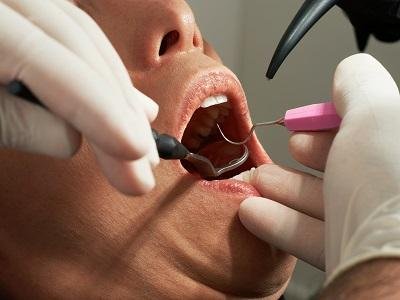
Healthy gums are the foundation of a healthy smile, yet gum disease is one of the most common oral health problems affecting adults. It often begins silently, making it easy to overlook until symptoms become more noticeable. Understanding the relationship between gum disease and deep cleaning can help patients protect their teeth and gums before serious complications develop. Deep cleaning is a professional dental procedure designed to manage gum disease and support long-term oral health when standard dental cleanings are no longer enough.
Understanding Gum Disease
Gum disease, also called periodontal disease, develops when plaque and bacteria accumulate along and below the gumline. In its early stage, known as gingivitis, gums may become red, swollen, and bleed during brushing or flossing. Without timely treatment, the infection can progress into periodontitis, where the supporting tissues and bone around the teeth begin to deteriorate. This advanced stage increases the risk of loose teeth, gum recession, persistent bad breath, and even tooth loss if left untreated by a dental professional.
Why Deep Cleaning Is Recommended
When gum disease advances beyond gingivitis, regular dental cleanings cannot effectively remove hardened plaque and bacteria beneath the gums. This is where deep cleaning becomes necessary. Also known as scaling and root planing, the procedure removes plaque, tartar, and bacterial deposits from below the gumline while smoothing the tooth roots. Smoother root surfaces make it more difficult for bacteria to reattach and encourage the gums to heal and reattach more closely to the teeth over time.
How Deep Cleaning Supports Gum Health
Deep cleaning helps reduce inflammation by eliminating the bacteria responsible for gum infections. As the bacterial buildup decreases, swollen gums gradually become healthier and bleeding often subsides. The procedure also helps reduce the depth of periodontal pockets, making daily brushing and flossing more effective. By controlling infection early, deep cleaning can slow or stop the progression of gum disease and preserve the bone and tissues that support natural teeth, reducing the likelihood of more complex treatments later.
Signs You May Need Deep Cleaning
Your dentist may recommend deep cleaning if an examination reveals signs of moderate or advanced gum disease. Common indicators include bleeding gums, persistent bad breath, gum recession, loose teeth, and periodontal pockets deeper than normal. Dental X-rays may also show bone loss around the teeth. Even if symptoms seem mild, delaying treatment allows bacteria to continue damaging the gums and supporting structures. Early diagnosis and professional care significantly improve the chances of maintaining healthy teeth and gums.
Maintaining Healthy Gums After Treatment
Deep cleaning is only one part of successful gum disease management. Patients should follow a consistent oral hygiene routine that includes brushing twice daily with fluoride toothpaste, flossing every day, and attending regular dental checkups. Dentists may also recommend more frequent periodontal maintenance visits to monitor healing and prevent future bacterial buildup. Avoiding tobacco products and maintaining a balanced diet also contribute to healthier gums. By combining professional care with good daily habits, patients can protect their smiles for years to come.
Conclusion
The connection between gum disease and deep cleaning is clear because the procedure directly targets the harmful bacteria responsible for periodontal infection. When performed at the appropriate stage, deep cleaning can reduce inflammation, improve gum attachment, and help preserve natural teeth. Seeking treatment promptly when gum disease is detected allows patients to avoid more invasive procedures while supporting better oral health. Regular dental visits and proper home care remain essential for preventing gum disease and ensuring the long-term success of deep cleaning treatment.


 Arabic
 Français
 Español
 Português
 Deutsch
 Türkçe
 Dutch
Dutch
 Italiano
 Russian
 Romaian
 Portuguese (Brazil)
 Greek
Greek