


Home Additions and Interior Remodeling: Create a Home That Fits Your Lifestyle
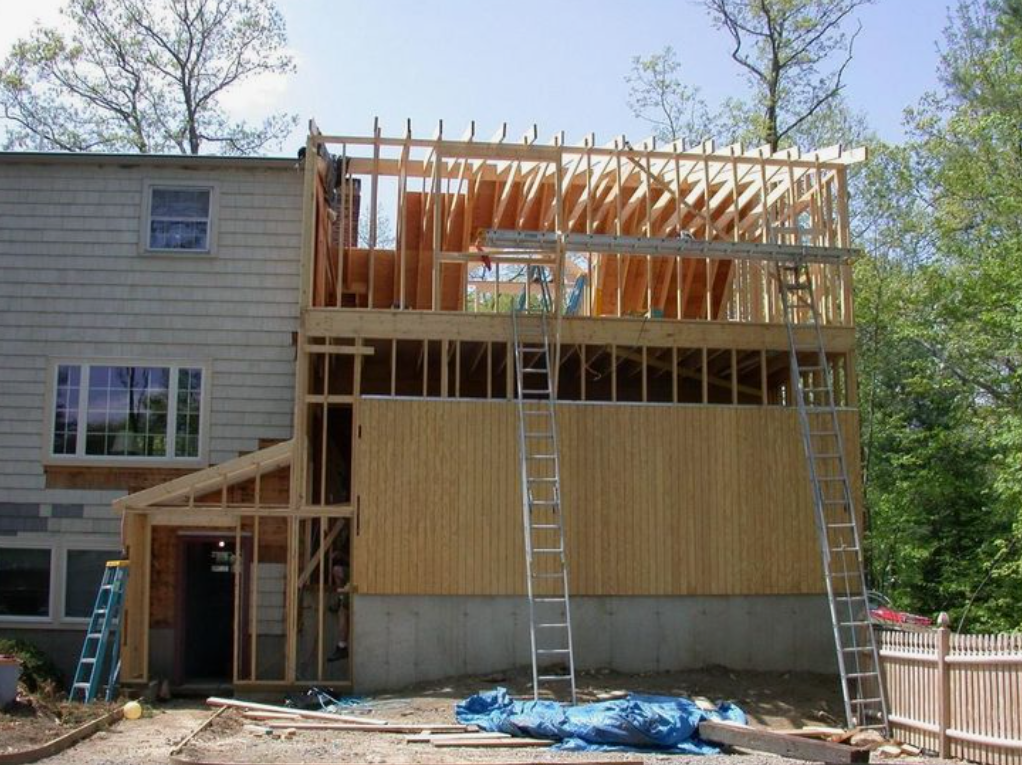
Your home should feel comfortable, functional, and suited to the way you live. However, as families grow and needs change, a home that once felt perfect may start to feel crowded or outdated. This is where home additions and interior remodeling can make a meaningful difference. Instead of moving to a new property, homeowners can improve their existing space by adding rooms, updating layouts, and creating interiors that better match their lifestyle.
Whether you need more living space, a modern kitchen, a larger bedroom, or a dedicated home office, thoughtful remodeling can improve both comfort and long-term property value.
What Are Home Additions?
Home additions involve expanding the existing structure of a house to create additional usable space. This can include adding a new bedroom, bathroom, family room, home office, garage, or even another level.
A home addition can be a practical solution when your current property has a good location and layout but does not provide enough space. Rather than going through the stress and expense of buying and moving into another home, you can customize your current property to meet your changing needs.
Common home addition projects include:
- New bedrooms or guest rooms
- Master bedroom expansions
- Additional bathrooms
- Family rooms
- Home offices
- Sunrooms
- Garage additions
- In-law suites
- Second-story additions
The right addition depends on your property, budget, available space, and long-term goals.
Why Consider a Home Addition?
One of the biggest advantages of a home addition is increased living space. A growing family may need another bedroom, while someone working from home may need a quiet office away from household distractions.
Home additions can also improve the functionality of your property. For example, adding a bathroom near bedrooms can make daily routines easier. A larger family room can provide more space for entertaining, relaxing, or spending time together.
Another benefit is customization. When you build an addition, you can choose the layout, materials, lighting, flooring, and finishes based on your preferences. This allows the new space to feel like a natural part of your home rather than an afterthought.
Understanding Interior Remodeling
While home additions expand the size of a property, interior remodeling focuses on improving the spaces that already exist. Remodeling can involve changing the layout, replacing outdated materials, upgrading fixtures, improving storage, or creating a completely new interior design.
Interior remodeling projects can range from small updates to major renovations. Some homeowners may want to refresh a single room, while others may remodel several areas of the house at the same time.
Popular interior remodeling projects include:
- Kitchen remodeling
- Bathroom remodeling
- Basement finishing
- Living room updates
- Bedroom renovations
- Flooring replacement
- Cabinet upgrades
- Interior painting
- Lighting improvements
- Open-concept conversions
A well-planned remodeling project can make an older home feel more comfortable, modern, and practical.
Home Additions and Interior Remodeling Work Together
In many cases, homeowners combine home additions and interior remodeling to create a complete transformation. For example, a family might add a new room to the back of the house and remodel the existing kitchen and living area at the same time.
Combining projects can help create a consistent design throughout the property. New flooring, paint colors, cabinetry, lighting, and finishes can be selected to connect the new and existing spaces.
This approach is especially useful when an addition changes how people move through the home. A new family room may connect to the kitchen, for example, creating an opportunity to improve both areas together.
Planning Your Remodeling Project
Good planning is one of the most important parts of any remodeling project. Before construction begins, homeowners should consider how they currently use their home and what they want to improve.
Start by identifying your biggest problems. Do you need more storage? Is the kitchen too small? Are there not enough bathrooms? Do you need a private workspace?
Once your goals are clear, consider your budget and priorities. Not every improvement needs to happen at once. A professional remodeling team can help you determine which projects should be completed first and how they can work together.
It is also important to think about the future. A home addition should not only solve today's problems but also provide value and functionality for years to come.
Choosing Materials and Finishes
Materials play an important role in the appearance, durability, and maintenance requirements of a remodeled home. Flooring, cabinets, countertops, doors, windows, lighting, and paint should all complement the overall style of the property.
Homeowners should consider both appearance and practicality. For example, a busy family may benefit from durable flooring that is easy to clean. A kitchen used frequently may require countertops and cabinets that can handle everyday wear.
Choosing quality materials can also help your remodeling project maintain its appearance for longer.
How Remodeling Can Improve Home Value
Well-designed home improvements can make a property more attractive to potential buyers. Updated kitchens and bathrooms are often appealing because they combine functionality with modern design.
Additional living space can also make a home more useful to future homeowners. A new bedroom, bathroom, or finished living area may increase the property's appeal.
However, homeowners should avoid making remodeling decisions based only on resale value. The best projects are those that improve your everyday experience while also making the property more functional.
Why Professional Remodeling Matters
Home additions and major interior remodeling projects involve many details, including design, construction, electrical work, plumbing, structural considerations, and finishing work. Professional experience can help ensure that these elements are properly coordinated.
A qualified remodeling contractor can help with project planning, material selection, construction schedules, and quality control. Professional guidance can also help homeowners avoid common mistakes, such as poor layouts, mismatched materials, or unrealistic project expectations.
Before hiring a contractor, ask about experience, previous projects, timelines, warranties, and the overall scope of work. Clear communication from the beginning can make the remodeling process much smoother.
Create a Home That Works for You
Your home does not have to stay the same forever. As your family, lifestyle, and priorities change, your living space can change with you. Home additions and interior remodeling offer practical ways to create more room, improve functionality, and update the appearance of your property.
Whether you are adding a new bedroom, expanding your kitchen, remodeling a bathroom, or redesigning several rooms, careful planning can turn your ideas into a comfortable and attractive living space.
The goal is not simply to make a house look newer. It is to create a home that works better for the people who live there. With thoughtful design, quality materials, and professional workmanship, a well-planned remodeling project can provide greater comfort and lasting value for years to come.


 English
 Arabic
 French
 Spanish
 Deutsch
 Turkish
 Dutch
Dutch
 Italiano
 Russian
 Romaian
 Portuguese (Brazil)
 Greek
Greek