


How to Build an Automated Onboarding Process for Better Teams
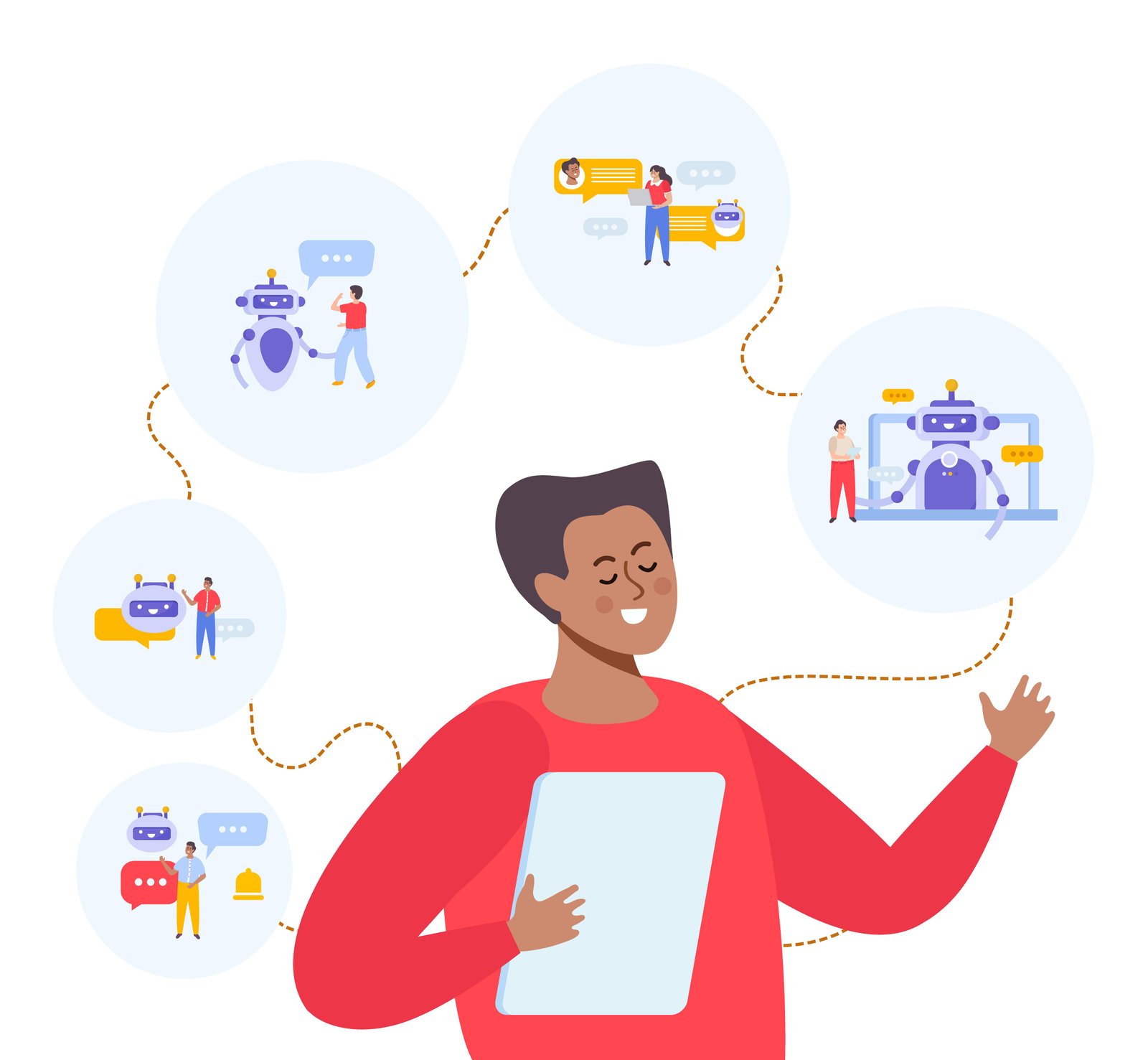
Starting a new job should feel exciting, simple, and welcoming, not stressful or confusing. But for many new employees, the first few days bring long forms, endless emails, missing information, and unclear tasks. When the onboarding experience feels messy, employees may struggle to understand their role, find the right tools, and feel connected to their new team. A smooth first experience can make a big difference in how quickly they feel confident and ready to contribute.
A well-planned automated onboarding process makes this experience easier by organizing key tasks, sharing useful information at the right time, and guiding new employees through each step. It also gives managers more time to focus on people instead of repetitive admin work. With the right balance of automation and personal support, companies can create a smoother start and build stronger teams from day one.
What Is an Automated Onboarding Process?
An automated onboarding process uses technology to manage routine activities involved in welcoming and preparing new employees. Instead of relying on managers to remember every task, emails, forms, reminders, and approvals can follow a planned workflow.
For example, once a new employee accepts an offer, the system might automatically send required forms. After those forms are completed, the employee could receive information about company policies, tools, meetings, and training.
The goal is not simply to make onboarding faster. It is to create a consistent experience where new employees know what they need to do and when they need to do it.
A good system can connect several parts of onboarding, including:
-
Document collection
-
Account setup
-
Training assignments
-
Team introductions
-
Policy acknowledgment
-
Task reminders
-
Manager notifications
-
Progress tracking
-
First-week check-ins
When these activities work together, the entire experience becomes easier to manage.
Why Better Onboarding Matters for Teams
The first few weeks can shape how employees view their new workplace. If they receive clear information and helpful support, they are more likely to feel confident and prepared.
Poor onboarding can have the opposite effect. New employees may spend hours searching for information, waiting for access, or wondering what they should be doing next.
It Reduces Confusion
New employees already have a lot to learn. They are getting familiar with people, responsibilities, systems, and company culture.
A structured onboarding experience gives them a clear path. Instead of asking the same questions repeatedly, they can find the right information when they need it.
It Saves Manager Time
Managers often have many responsibilities beyond onboarding. Repeatedly sending documents, checking completion status, and reminding employees about small tasks can consume valuable time.
Automation can handle many of these routine activities. Managers can then spend more time explaining responsibilities, answering important questions, and building relationships.
It Creates Consistency
Every new employee should receive the essential information they need. Manual processes can make that difficult because different managers may follow different steps.
A structured workflow creates a reliable foundation. Important tasks are less likely to be forgotten, regardless of who is responsible for welcoming the new team member.
How to Build an Automated Onboarding Process
Creating an effective system does not mean automating everything at once. The best approach is to start with the employee experience and then identify where technology can make the process smoother.
1. Map the Current Onboarding Journey
Before choosing tools or creating workflows, write down what currently happens when someone joins the company.
Think about the complete journey from offer acceptance through the first few weeks.
Ask questions such as:
-
What information does a new employee receive?
-
Which forms must be completed?
-
Who creates accounts?
-
Who introduces the employee to the team?
-
What training is required?
-
Which tasks are often delayed?
-
Where do managers lose track of progress?
This exercise can reveal unnecessary steps and repeated work.
It also gives your team a clear picture of what should be improved before automation begins.
2. Separate Tasks That Need People From Tasks Technology Can Handle
Not every onboarding activity should be automated.
Some activities require human interaction. A manager discussing goals with a new employee, for example, should feel personal. A team introduction should not feel like an automated notification.
Other tasks are ideal for automation.
These may include:
-
Sending reminders
-
Collecting forms
-
Assigning training
-
Creating task lists
-
Sending policy documents
-
Tracking completion
-
Notifying responsible team members
The key is to automate repetitive work while protecting important human moments.
3. Create a Clear Onboarding Timeline
New employees should not receive every piece of information at once.
Instead, organize onboarding into stages.
A simple timeline might look like this:
Before the first day:
Send welcome information, collect required documents, prepare accounts, and share basic company information.
First day:
Provide access instructions, introduce the employee to the team, explain responsibilities, and schedule important meetings.
First week:
Assign training, explain workflows, introduce key contacts, and establish short-term goals.
First month:
Review progress, gather feedback, and identify areas where additional support may be useful.
This approach makes onboarding easier to follow and prevents information overload.
4. Build Automatic Reminders
People are busy, and onboarding involves many small deadlines.
A reminder system can prevent important tasks from being forgotten. For example, if an employee has not completed a required form, the system can send a reminder automatically.
Managers can also receive notifications when an action needs their attention.
This simple feature can make a major difference because it reduces the need for manual follow-ups.
5. Centralize Important Information
New employees should not have to search through multiple emails and platforms to find basic information.
Create a central location for important resources such as:
-
Company policies
-
Team information
-
Training materials
-
Frequently asked questions
-
Tool instructions
-
Benefits information
-
Role expectations
-
Contact details
A central knowledge source gives employees more independence and makes it easier for them to find answers.
6. Add Role-Specific Onboarding
Not every employee needs the same onboarding experience.
A sales professional may need customer relationship tools and sales training. A developer may need access to technical systems and development resources. A manager may need leadership materials and team planning information.
Your automation should account for these differences.
Start with a common foundation, then create role-specific tasks where necessary.
This makes the experience more relevant without requiring the entire process to be built from scratch for every employee.
Use Automation Without Losing the Human Touch
One common concern about automated onboarding is that it may make new employees feel like they are entering a machine-driven workplace.
That happens when companies automate communication without considering the employee experience.
The better approach is to use automation behind the scenes while keeping important interactions personal.
Keep Welcome Messages Personal
A generic automated message can feel cold. A short message from a manager or team member can create a much stronger first impression.
Automation can schedule when the message is delivered, but the content can still come from a real person.
Schedule Human Check-Ins
Technology can remind managers to schedule conversations, but the conversation itself should remain personal.
For example, automatic reminders could prompt managers to check in after the first day, first week, and first month.
These conversations can help employees discuss challenges, ask questions, and share feedback.
Make Team Introductions Meaningful
Introducing someone to a new team should be more than adding them to a communication channel.
Give colleagues some context about the new employee, their responsibilities, and how they will work with the team.
This helps create connections and makes the new person feel welcomed.
Measure the Success of Your Onboarding
You cannot improve what you do not measure.
Once your onboarding system is running, track useful information to understand what is working and what needs attention.
Track Completion Rates
Look at whether employees complete required tasks on time.
If a particular task is regularly delayed, the instructions may need to be clearer or the process may need adjustment.
Measure Time to Productivity
Consider how quickly new employees become comfortable with their responsibilities.
The goal is not to rush people. It is to remove unnecessary obstacles that prevent them from doing their work confidently.
Collect Employee Feedback
Ask new employees about their experience.
Simple questions can reveal valuable insights:
-
Was the onboarding process easy to follow?
-
Did you receive information at the right time?
-
Was anything difficult to find?
-
Did you feel supported?
-
What would you change?
Employee feedback can help your team improve the experience continuously.
Common Mistakes to Avoid
Even a technology-driven onboarding strategy can create problems if it is poorly designed.
Automating Everything
Automation should support people, not replace meaningful interaction.
If every conversation, introduction, and welcome message feels automated, employees may feel disconnected.
Sending Too Much Information
More information does not always mean better onboarding.
Give employees what they need at the right time. Break larger information sets into manageable sections.
Ignoring Mobile Access
Employees may complete some onboarding tasks away from their desks. Make sure important resources and tasks are easy to access across different devices.
Failing to Update Content
Company policies, tools, procedures, and team structures can change.
Old onboarding information can create confusion. Review your content regularly and remove anything that is no longer relevant.
Not Giving Employees a Clear Contact
Automation should never leave employees wondering who they can ask for help.
Make sure every new team member knows who to contact when they have questions.
The Role of AI in Modern Onboarding
Artificial intelligence is adding another layer of opportunity to onboarding.
AI can help answer common questions, recommend relevant resources, summarize information, and guide employees toward the next step.
For example, an AI assistant could answer questions about company policies or help a new employee find information about internal processes.
However, AI should be introduced carefully. Employees should know when they are interacting with an automated assistant and how to reach a person when they need more detailed help.
The strongest approach combines automation, AI, and human support instead of depending entirely on one of them.
How to Make the Process Better Over Time
Building the system is only the beginning. An effective onboarding experience should evolve as your company grows.
Review the process regularly and look for unnecessary steps.
Ask managers which tasks take the most time. Ask new employees where they experience confusion. Look at completion data to identify delays.
Then make small improvements.
You might remove an unnecessary form, simplify an instruction, change when a reminder is sent, or add a helpful resource.
These small changes can create a much smoother experience over time.
Why the Right Tools Make a Difference
The technology behind your onboarding strategy should make the process easier, not more complicated.
Look for solutions that allow you to create workflows, automate repetitive tasks, monitor progress, and keep important information organized.
A good platform should also fit into the systems your company already uses. If employees and managers have to switch between too many disconnected tools, automation may create more friction instead of reducing it.
The right solution should be simple enough for teams to use consistently and flexible enough to grow with the business.
A Smarter Future for Employee Onboarding
An automated onboarding process gives businesses a practical way to make the first weeks of employment more organized, consistent, and welcoming.
The biggest advantage is not simply fewer manual tasks. It is the ability to create a clear experience where employees know what to expect, managers know what needs to happen, and important steps do not fall through the cracks.
When routine work is handled automatically, people have more time for the conversations that actually build strong teams.
Businesses looking to simplify workflows and create smoother employee experiences can explore solutions from Autoloopers to see how automation can support their operations.
Conclusion
A great onboarding experience begins before an employee's first day and continues well beyond the first week. When information, tasks, training, and communication are organized properly, new employees can settle into their roles with greater confidence. Automation makes this easier by handling repetitive work and keeping everyone on track.
The best results come from finding the right balance between technology and people. Automate tasks that slow teams down, but keep meaningful conversations personal. Listen to employee feedback, measure progress, and improve the experience as your organization changes. If you want to make your onboarding smoother and more efficient, Get in touch with us to learn how smarter automation can create a smoother onboarding experience for your team.

 Arabic
 French
 Spanish
 Portuguese
 Deutsch
 Turkish
 Dutch
Dutch
 Italiano
 Russian
 Romaian
 Portuguese (Brazil)
 Greek
Greek