


Why Fluorescent Brightening Agent Matters in Textile Production

Fluorescent Brightening Agent is a key additive in textile production, widely valued for its ability to enhance fabric brightness and visual appeal. By altering the way materials reflect light, this compound provides textiles with a cleaner and fresher look that endures through wear and washing.
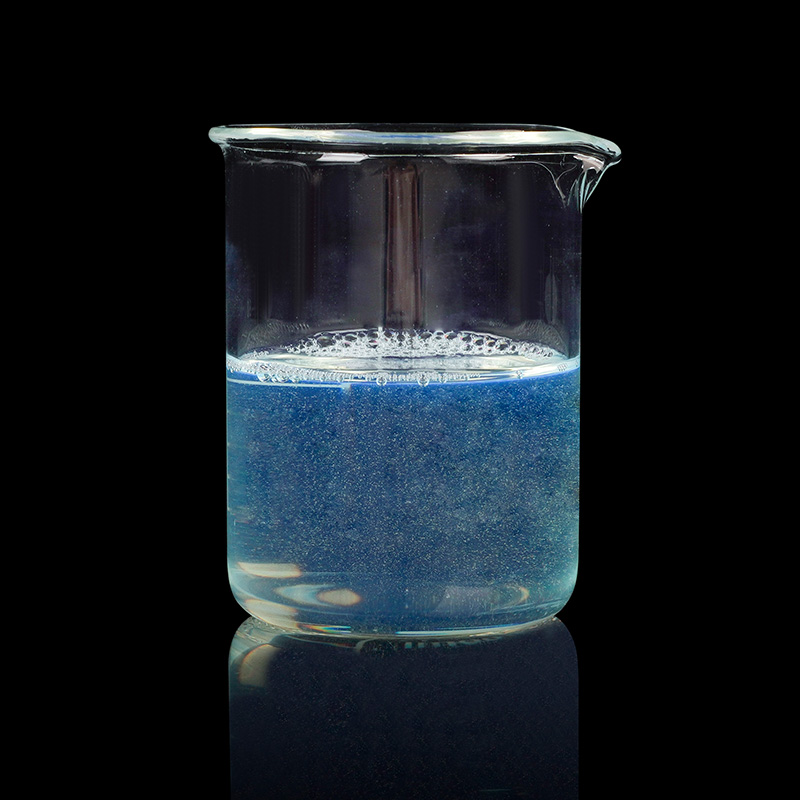
In textile finishing, these agents are incorporated into the treatment process to counteract dullness and natural yellowing in fibers. Cotton, polyester, and blended fabrics often benefit from this treatment, which improves the whiteness and overall appearance of the fabric. This not only meets consumer demand but also raises the quality standard of finished products.
Durability is an important factor in textiles, and fluorescent brighteners are designed to resist fading. This ensures that fabrics retain their enhanced appearance over time, even under repeated laundering and exposure to sunlight. Such performance makes them highly suitable for both clothing and household items like sheets, curtains, and towels.
Additionally, textile producers often use fluorescent brighteners in conjunction with dyes. This combination improves color clarity and sharpness, resulting in fabrics with deeper and more vivid hues. The agents thus serve a dual role—whitening the base fabric and supporting the intensity of applied colors.
The textile sector’s ongoing commitment to improved quality makes fluorescent brighteners an indispensable tool. Their contribution is not limited to aesthetics but also supports consumer satisfaction, product longevity, and competitive value in the market.



 Arabic
 Français
 Español
 Português
 Deutsch
 Türkçe
 Dutch
Dutch
 Italiano
 Russian
 Romaian
 Portuguese (Brazil)
 Greek
Greek