


How to Stop Seasonal Hair Fall Naturally (Monsoon & Winter Guide)
Introduction
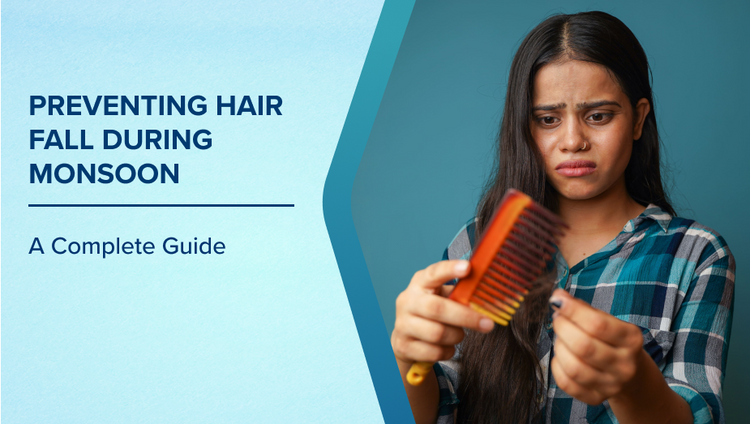
Do you notice more hair on your pillow during monsoon or winter? You’re not alone. Many people see extra shedding when the weather changes.
Seasonal shifts affect your scalp and hair health. In monsoon, humidity leads to scalp infections and dandruff. In winter, dryness weakens roots and makes hair brittle. Both conditions increase hair fall.
If you’re ready to take control of seasonal hair fall, try Naturesnest Hair Growth Oil. These natural products combine the power of onion and rosemary to fight hair fall, improve scalp health, and boost growth.
The good news? With the right natural care, you can control this seasonal shedding. In this guide, we’ll explore simple remedies and routines to keep your hair strong in every season.
Why Do Weather Changes Trigger Hair Shedding?
Seasonal hair fall is common, but it can feel alarming. The truth is, weather changes directly impact your scalp and hair roots.
During monsoon, high humidity creates the perfect environment for fungal growth. This leads to dandruff, itchy scalp, and weak follicles. In winter, the cold air pulls out natural moisture, making your hair dry, rough, and more prone to breakage.
Other factors like stress, poor diet, and irregular hair care routines make the problem worse. When combined with seasonal changes, these triggers can double the amount of hair you lose.
The first step to solving the issue is understanding the cause. Once you know why it happens, you can choose the right remedies to fight it.
Common Mistakes That Worsen Seasonal Hair Fall
Many people unknowingly make their seasonal hair fall worse. Small daily habits can speed up shedding.
One common mistake is washing hair with very hot water in winter. Hot water strips natural oils and makes hair fragile. In monsoon, overwashing your hair or leaving it damp for too long encourages fungal growth.
Another mistake is using shampoos with harsh chemicals. These products dry out your scalp and weaken hair from the roots. Tying wet hair tightly or brushing aggressively also causes unnecessary breakage.
Avoiding these mistakes can make a big difference. With a few smart changes, you’ll notice healthier and stronger hair even during tough seasons.
DIY Natural Remedies for Seasonal Hair Fall
You don’t always need expensive treatments to fight seasonal hair fall. Simple home remedies can bring great results.
Onion water rinse is one of the best natural solutions. It strengthens roots, improves blood flow, and reduces hair thinning. Aloe vera mixed with coconut oil works as a soothing scalp mask. It hydrates the skin, controls dryness, and adds shine.
Fenugreek seeds (methi) are another powerful remedy. Soak them overnight, grind into a paste, and apply to your scalp. This helps reduce dandruff, especially during the humid monsoon season.
Using these remedies once or twice a week can protect your hair from seasonal damage. They are safe, natural, and easy to prepare at home.
Best Natural Oils for Stronger Scalp During Weather Changes
Natural oils are one of the easiest ways to protect your scalp in every season. They nourish roots, improve blood flow, and prevent dryness or infections.
Onion oil is especially helpful during humid weather. It has antibacterial properties that fight scalp infections and reduce dandruff. Rosemary oil boosts circulation, which encourages new hair growth and strengthens thinning areas.
In winter, coconut oil works as a natural moisturizer. It locks in hydration, reduces breakage, and keeps your scalp from drying out.
Using these oils regularly can protect your hair against seasonal changes. A gentle scalp massage two to three times a week is enough to see visible results.
Winter vs. Monsoon Hair Care Routine (Step-by-Step)
Your hair needs different care in winter and monsoon. A routine that fits the season keeps your scalp balanced and hair strong.
Winter Routine:
-
Wash hair with lukewarm water, never hot.
-
Oil your scalp twice a week to fight dryness.
-
Use a hydrating hair mask once a week.
-
Protect hair from cold winds with scarves or caps.
Monsoon Routine:
-
Wash hair often to remove sweat and dirt.
-
Use a mild, anti-fungal shampoo to prevent dandruff.
-
Avoid leaving hair damp for too long.
-
Stick to light oils so your scalp doesn’t feel greasy.
With these simple routines, your hair adjusts better to the weather and stays healthy all year round.
Long-Term Prevention Tips to Control Seasonal Hair Fall
Seasonal care is important, but long-term habits matter even more. A healthy lifestyle keeps your hair strong in every season.
Eat a balanced diet rich in protein, iron, and vitamins. Foods like eggs, spinach, nuts, and fish support hair growth from within. Regular scalp massages improve blood flow and nourish roots.
Protective hairstyles, like braids or buns, reduce breakage during windy or humid days. Limiting heat styling tools also helps prevent permanent damage.
Small, consistent changes build stronger hair over time. When you combine natural remedies with healthy habits, seasonal hair fall becomes much easier to manage.
Conclusion & Call to Action
Seasonal hair fall can feel frustrating, but it’s not permanent. With the right care, you can control shedding and keep your hair healthy in every season.
Simple steps like avoiding hot water, using natural remedies, and following a season-based routine make a big difference. Adding nourishing oils and gentle shampoos to your routine further protects your scalp and strengthens roots.
Stay consistent, follow the tips, and your hair will thank you all year round.




 English
 Arabic
 Français
 Español
 Deutsch
 Türkçe
 Dutch
Dutch
 Italiano
 Russian
 Romaian
 Portuguese (Brazil)
 Greek
Greek