


How to Choose the Right RV for Beginners?
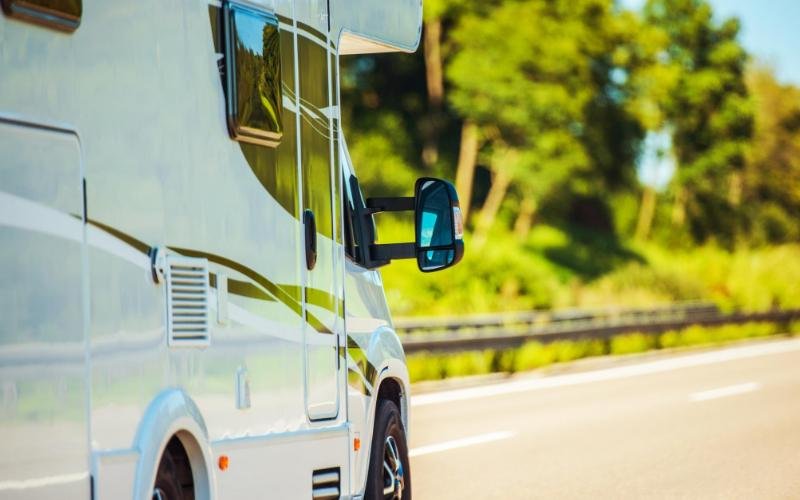
Buying your first RV is exciting. You get the chance to explore new places, enjoy the open road, and make memories that last a lifetime. But with so many types, sizes, and price ranges, choosing the right RV can feel overwhelming—especially if you are new to the RV world.
This guide will help you understand the basics of RVs and make the right decision for your lifestyle, travel goals, and budget. Whether you want a small camper for weekend trips or a large motorhome for cross-country adventures, this article will help you find your perfect fit.
To simplify your search, we’ll cover everything from the types of RVs to key buying tips and common mistakes to avoid. You’ll also learn how to buy or sell RVs easily through Popular RV, a trusted online platform where you can find great deals and sell your RV fast.
1. Understanding What an RV Is
RVs, short for “Recreational Vehicles,” are vehicles designed for travel and living on the road. They combine transportation and temporary living space, giving you freedom and comfort wherever you go.
There are many styles of RVs, from small trailers to large motorhomes. Some are towed by another vehicle, while others are self-powered. Knowing the difference between each type is the first step in making the right choice.
2. Main Types of RVs
When it comes to RVs, one size does not fit all. Each type has unique features, pros, and cons. Here’s a breakdown of the most common categories for beginners.
A. Motorhomes
Motorhomes are self-contained vehicles that include both the driving and living areas.
1. Class A Motorhomes:
These are the largest and most luxurious RVs on the market. They look like buses and can be 25–45 feet long. They often include full kitchens, bathrooms, and sleeping space for up to eight people.
-
Pros: Spacious, great for long trips, full amenities.
-
Cons: Expensive, harder to park, high fuel cost.
2. Class B Motorhomes (Camper Vans):
These are smaller vans with built-in sleeping and cooking areas. Perfect for solo travelers or couples who like simple road trips.
-
Pros: Easy to drive, fuel-efficient, fits in most parking spots.
-
Cons: Limited space and storage.
3. Class C Motorhomes:
These are mid-sized RVs built on a truck chassis. They usually have a sleeping area above the cab, a kitchen, and a small bathroom.
-
Pros: Easier to handle than Class A, more affordable.
-
Cons: Smaller living space than Class A.
B. Towable RVs
These RVs are not motorized. You’ll need a separate vehicle to tow them.
1. Travel Trailers:
These are the most common towable RVs and come in many sizes. You can find small models for two people or large ones with multiple rooms.
-
Pros: Affordable, flexible, wide range of sizes.
-
Cons: Requires a capable towing vehicle.
2. Fifth-Wheel Trailers:
These connect to a hitch in a pickup truck bed. They’re very stable and offer large living areas.
-
Pros: Comfortable and spacious, good for families.
-
Cons: Needs a pickup truck for towing.
3. Pop-Up Campers:
These are compact trailers that fold down for easy towing and storage.
-
Pros: Lightweight, low cost, easy to store.
-
Cons: Less insulation and fewer amenities.
4. Toy Haulers:
These are part RV and part garage. They have space to carry ATVs, motorcycles, or bikes.
-
Pros: Great for adventure lovers.
-
Cons: Heavy and less living space.
3. Decide How You Plan to Use Your RV
Before buying, think about how you’ll use the RV. Your travel habits will determine the best fit.
Ask yourself these questions:
-
How often will I travel—weekends or full-time?
-
How many people will be traveling with me?
-
Do I need luxury features or just the basics?
-
Will I camp at RV parks or off-grid locations?
For short weekend trips, a small travel trailer or camper van works best. But if you want to live on the road full-time, consider a Class A or Fifth-Wheel RV with more space and comfort.
4. Budget Planning for Your First RV
Setting a clear budget is one of the most important steps. RV prices can range from $10,000 to over $500,000 depending on size, features, and brand.
Here’s what to include in your budget:
-
Purchase Price: New RVs cost more but have warranties. Used RVs are cheaper but may need repairs.
-
Insurance: Bigger and more expensive RVs usually cost more to insure.
-
Fuel Costs: Larger RVs consume more gas or diesel.
-
Maintenance: Regular servicing, tire changes, and upkeep are essential.
-
Campground Fees: If you plan to stay at parks, include nightly or monthly costs.
-
Storage: If you can’t park at home, consider storage fees.
Being realistic with your budget prevents stress later. Remember, your first RV doesn’t need to be your dream RV. Start small, learn, and upgrade later.
5. New vs. Used RVs: Which Is Better for Beginners?
Both new and used RVs have advantages and trade-offs.
New RVs come with warranties, modern designs, and updated technology. You don’t have to worry about past issues, but you’ll pay a higher price and face quicker depreciation.
Used RVs are more affordable and can still be reliable if you buy from a trusted source. Always check the condition of the roof, plumbing, wiring, and tires before purchasing.
At Popular RV, you can find verified listings for both new and used RVs. The platform makes it easy to compare options, check photos, and connect directly with sellers.
6. Important Features to Look for
When choosing your first RV, focus on the essentials.
1. Sleeping Capacity: Make sure it fits everyone comfortably.
2. Kitchen and Bathroom Setup: Check for space, layout, and storage.
3. Storage Options: Look for hidden compartments and exterior storage.
4. Weight and Towing Capacity: Match your tow vehicle’s limit.
5. Tank Sizes: Freshwater, greywater, and blackwater capacity matter for long trips.
6. Heating and Cooling: Ensure good insulation and working air conditioning.
7. Build Quality: Check the frame, roof seals, and flooring.
Always inspect in daylight and, if possible, bring an experienced RVer or mechanic to help.
7. Try Before You Buy
Renting before buying is one of the smartest moves for beginners. It helps you understand what works for your travel style.
You can rent RVs through local dealers or peer-to-peer platforms. Try a weekend in a small camper and another in a Class C motorhome to see which feels right.
You’ll quickly learn what features you actually use and which ones are unnecessary. This hands-on experience can save you thousands of dollars.
8. Common Mistakes Beginners Should Avoid
Even smart buyers can make costly mistakes. Here are a few to avoid:
-
Buying Too Big: Larger RVs cost more to operate and can be hard to handle.
-
Ignoring Maintenance: Regular care prevents expensive repairs.
-
Skipping Inspection: Always check the condition before paying.
-
Forgetting About Hidden Costs: Fuel, insurance, and storage add up.
-
Not Testing the Layout: Spend time inside before buying. If it feels cramped, it probably is.
By avoiding these pitfalls, you’ll enjoy your RV experience from day one.
9. Understanding RV Maintenance
Owning an RV means keeping it in good shape. Basic maintenance is easy once you get used to it.
Monthly Checks:
-
Test batteries and electrical systems.
-
Check tire pressure.
-
Inspect roof seams for leaks.
-
Flush water systems.
Seasonal Checks:
-
Change oil and filters (for motorhomes).
-
Clean tanks and lines.
-
Inspect brakes and suspension.
-
Wax the exterior for protection.
Consistent care keeps your RV safe, reliable, and valuable over time.
10. RV Insurance and Registration
Every RV owner needs proper insurance. It protects you in case of accidents, damage, or theft.
RV insurance typically covers:
-
Collision and liability
-
Personal belongings
-
Roadside assistance
-
Emergency expenses
You’ll also need to register your RV with your local DMV. Requirements vary by state, so check your area’s regulations before hitting the road.
11. Best Places to Buy and Sell RVs
Finding the right marketplace can make all the difference. You want a platform that’s fast, secure, and trusted by RV owners.
Popular RV is one of the easiest ways to buy or sell your RV online. The site allows you to:
-
Browse hundreds of listings nationwide.
-
Compare prices, features, and photos.
-
Connect directly with verified sellers.
-
Sell your RV fast with an optimized listing.
Whether you’re upgrading, downsizing, or starting your RV journey, Popular RV simplifies the process. Located in Long Beach, California, they’re dedicated to helping first-time buyers find RVs that match their needs and budget.
12. Preparing for Your First RV Trip
Once you’ve bought your RV, it’s time to plan your first trip. Start small to build confidence.
Tips for your first journey:
-
Choose a campground close to home.
-
Practice parking and backing up.
-
Learn how to hook up electricity and water.
-
Pack only what you need to avoid clutter.
-
Create a checklist for setup and teardown.
Each trip will teach you something new. Soon, you’ll feel like a pro.
13. Final Thoughts
Choosing the right RV doesn’t have to be stressful. It’s about finding a balance between comfort, cost, and travel goals.
Start by learning about the different types, deciding how you’ll use it, and setting a realistic budget. Test a few models, ask questions, and take your time before deciding.
Your first RV is your key to freedom, adventure, and unforgettable experiences. When you’re ready to make the move, visit Popular RV — where buying and selling RVs online is fast, safe, and easy.



 English
 Arabic
 Français
 Español
 Português
 Türkçe
 Dutch
Dutch
 Italiano
 Russian
 Romaian
 Portuguese (Brazil)
 Greek
Greek