


Risks and complications associated with jaw surgery in Islamabad
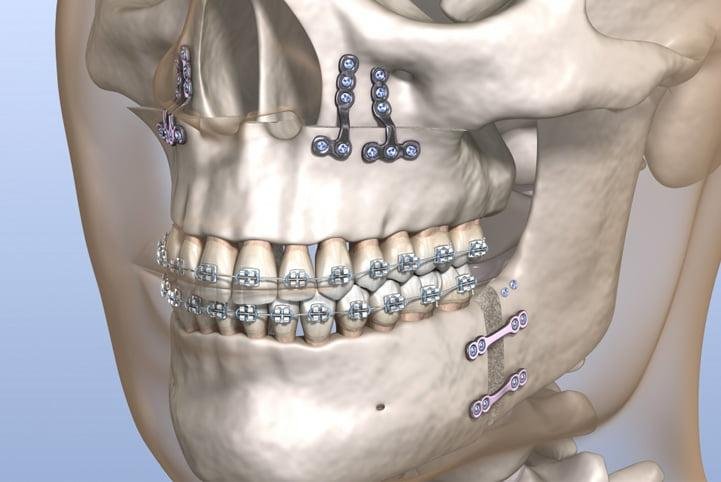
Jaw surgery, also known as orthognathic surgery, is a complex procedure aimed at correcting jaw misalignment, bite problems, and facial asymmetry. While it offers significant functional and aesthetic benefits, like any major surgery, it carries potential risks and complications. Understanding these risks is essential for patients in Islamabad considering jaw surgery, as it helps them make informed decisions and prepare for recovery. Skilled surgeons use advanced techniques to minimize risks, but awareness and careful post-operative care remain crucial. Jaw Surgery in Islamabad has become a popular option for people looking to improve facial symmetry and correct jaw-related functional issues.
1. Infection
Infection is one of the most common risks after any surgical procedure. Jaw surgery involves incisions inside the mouth or sometimes externally, which can allow bacteria to enter the surgical site. In Islamabad, hospitals and surgical centers take strict precautions, including sterilization and antibiotics, to reduce the likelihood of infection. Despite these measures, some patients may develop localized infections, leading to swelling, redness, pain, or pus formation. Severe infections may require additional antibiotics or minor surgical intervention to clean the affected area. Maintaining good oral hygiene after surgery is essential to prevent infection.
2. Swelling and Bruising
Swelling and bruising are expected side effects of jaw surgery and can vary in intensity depending on the complexity of the procedure. Most swelling peaks within three to five days after surgery and gradually subsides over several weeks. In some cases, swelling can persist for months, particularly around the cheeks, jawline, and neck. Although not dangerous, excessive swelling may cause discomfort, difficulty in opening the mouth, or temporary changes in facial appearance. Patients in Islamabad are advised to follow cold compresses initially, elevate the head while sleeping, and adhere to post-operative care instructions to manage swelling effectively.
3. Nerve Damage and Numbness
One of the more serious potential complications of jaw surgery is nerve injury. The surgery involves manipulating bones and tissues around major nerves, including the inferior alveolar nerve, which runs through the lower jaw. Damage to this nerve can result in temporary or, in rare cases, permanent numbness in the lips, chin, gums, or teeth. Patients in Islamabad may experience tingling, decreased sensation, or altered taste. Most nerve injuries are temporary and improve over several months, but permanent nerve damage is possible, especially in complex or corrective procedures involving significant jaw movement.
4. Bleeding and Hematoma Formation
Bleeding during or after surgery is another potential risk. While surgeons take precautions to control blood loss during the procedure, some patients may experience post-operative bleeding or develop a hematoma—a collection of blood under the skin or within tissues. Hematomas can cause pain, swelling, and bruising and may require drainage in severe cases. Patients in Islamabad are advised to avoid medications such as aspirin or certain supplements before surgery, as these can increase bleeding risk.
5. Relapse or Jaw Misalignment
Although jaw surgery is designed to provide long-term correction, there is a risk of partial relapse where the jaw shifts slightly from its intended position. Factors such as improper post-surgical care, premature chewing of hard foods, or inadequate orthodontic support can contribute to this complication. Surgeons in Islamabad work closely with orthodontists to minimize the risk of relapse, but patients must follow instructions carefully during the healing period to ensure the jaw stabilizes correctly.
6. Problems with Bite or Occlusion
Despite precise surgical planning, some patients may experience bite issues after jaw surgery. Misalignment of teeth, uneven occlusion, or difficulty biting may occur if the bones shift during healing. Minor adjustments can often be managed through orthodontics, but in rare cases, revision surgery may be required to correct persistent bite problems. Regular follow-ups with both the surgeon and orthodontist are essential to monitor occlusion and address any concerns early.
7. Scarring and Aesthetic Concerns
While most jaw surgeries are performed inside the mouth to minimize visible scars, some procedures may require external incisions, leading to small scars. Swelling and changes in facial contours may temporarily alter appearance, and patients should understand that the final aesthetic result becomes fully apparent only after months of healing. In rare cases, patients may be dissatisfied with their facial symmetry or jawline appearance, requiring minor corrective procedures.
8. Complications from Anesthesia
Jaw surgery is performed under general anesthesia, which carries inherent risks, particularly for patients with pre-existing medical conditions. Complications can include allergic reactions, breathing difficulties, or adverse responses to medications. In Islamabad, surgical centers conduct thorough pre-anesthesia evaluations to reduce these risks and monitor patients closely during surgery.
9. TMJ Problems and Jaw Stiffness
Some patients may develop temporomandibular joint (TMJ) discomfort or jaw stiffness after surgery. Limited jaw movement is common during the initial recovery period, and physical therapy exercises are often recommended to restore mobility. Persistent TMJ pain is uncommon but may require additional management or interventions if it occurs.
10. Psychological Impact
Jaw surgery involves a significant recovery period and temporary changes in appearance and function. Patients in Islamabad may experience stress, anxiety, or emotional discomfort during the early stages of recovery. Preparing mentally, understanding the healing process, and having support systems in place are important to ensure a positive post-operative experience.
Final Thoughts
While jaw surgery in Islamabad offers transformative benefits for bite correction, facial balance, and overall oral health, it carries potential risks and complications that should be carefully considered. Infection, swelling, nerve damage, bleeding, relapse, and bite issues are among the primary concerns. Choosing a qualified and experienced surgeon, adhering to pre- and post-operative instructions, and maintaining follow-up care are essential to minimizing these risks. By being informed and prepared, patients can achieve successful outcomes while managing potential complications effectively.




 English
 Arabic
 Français
 Português
 Deutsch
 Türkçe
 Dutch
Dutch
 Italiano
 Russian
 Romaian
 Portuguese (Brazil)
 Greek
Greek