


Top Marine Insulation Materials Used by Industry Leaders
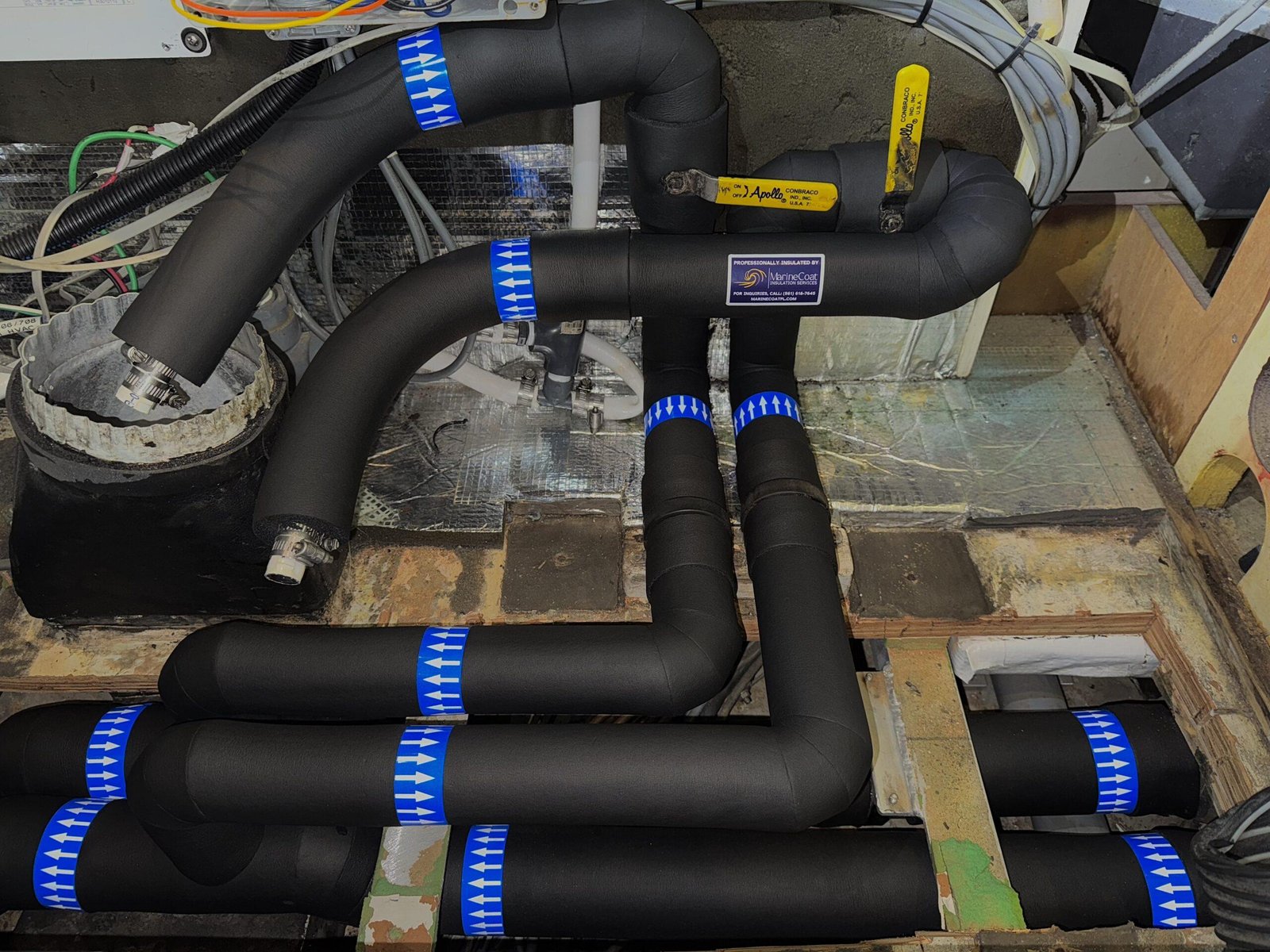
The marine industry relies on cutting-edge technologies and materials to ensure the safety, energy efficiency, and long-lasting durability of vessels. Among these innovations, marine pipe insulation stands out as an essential element in enhancing both performance and comfort. Insulation materials prevent heat loss, reduce energy consumption, and protect against hazardous conditions at sea. The best marine insulation solutions are chosen by top industry leaders based on their effectiveness, longevity, and resistance to harsh maritime environments. With this in mind, let’s explore the top marine insulation materials used by these industry experts.
Understanding Marine Insulation and Its Importance
Marine insulation is a critical component of modern vessels. It is primarily used for thermal and acoustic insulation purposes, ensuring both energy efficiency and operational safety. Without it, vessels would experience significant energy loss, increased fuel consumption, and damage from exposure to extreme temperatures or moisture.
Different types of insulation materials are selected based on their suitability for the specific needs of the vessel. Some materials excel at soundproofing, while others are engineered to withstand high temperatures and corrosion. Let's explore the leading insulation materials used by marine insulation companies around the world.
1. Fiberglass Insulation
Fiberglass is one of the most commonly used materials in marine insulation. Known for its excellent thermal resistance, it is highly effective at reducing heat loss or gain within pipes, ducts, and other systems aboard ships. Marine pipe insulation made from fiberglass is widely used because of its resilience against moisture, which makes it ideal for the wet conditions often encountered at sea.
Fiberglass insulation also offers outstanding soundproofing properties, ensuring that noise levels aboard vessels remain manageable. Its light weight adds another layer of appeal, as it doesn’t contribute much to the overall weight of the vessel, which is important for performance and fuel efficiency.
2. Mineral Wool (Rock Wool)
Another popular choice among marine insulation companies is mineral wool, commonly known as rock wool. This insulation material is made from natural or synthetic minerals and has proven to be an excellent option for marine pipe insulation. The material's ability to resist extreme temperatures and fire makes it ideal for marine applications.
Rock wool is particularly effective in reducing both heat loss and sound transmission, which is why it is often used in engine rooms and other high-temperature areas aboard ships. Moreover, its inherent resistance to water and mold ensures that it remains durable and functional in the damp marine environment.
3. Polyurethane Foam
Polyurethane foam is another material used in marine insulation for its superior thermal resistance. When applied as spray foam, it creates a seamless, continuous layer that offers excellent protection against both heat and moisture. This insulation is often used for hull insulation in ships, reducing thermal loss and ensuring a comfortable interior climate.
One of the standout features of polyurethane foam is its high insulating performance, which is particularly beneficial in reducing the energy needed for heating and cooling systems aboard vessels. The material’s ease of application also makes it a favorite for marine insulation companies, as it can be sprayed into hard-to-reach areas with minimal disruption to vessel operations.
4. Calcium Silicate
For vessels exposed to high temperatures, calcium silicate insulation is a go-to material. This rigid, high-performance insulation material is favored for its ability to endure extreme heat and protect pipes, boilers, and other systems from thermal damage. Calcium silicate is also a non-combustible material, making it ideal for fireproofing critical areas aboard ships.
This type of insulation is often used in combination with other materials, depending on the requirements of the vessel. Its high temperature resistance ensures that equipment operates safely and efficiently, even in the hottest marine environments.
5. Aerogel Insulation
Aerogel is a cutting-edge insulation material that has recently gained traction in the marine industry. Known for its light weight and incredibly low thermal conductivity, aerogel is often referred to as "frozen smoke." It is extremely effective at providing thermal insulation without taking up much space or adding significant weight to a vessel.
Although more expensive than traditional insulation materials, aerogel’s performance in extreme conditions makes it a valuable option for high-performance vessels, including military ships and luxury yachts. Its low thermal conductivity ensures that temperature control systems function more efficiently, leading to better energy management overall.
6. Rubber Insulation
Rubber-based insulation materials are commonly used in applications requiring flexibility and durability. Rubber is highly resistant to aging, ozone, and weathering, which makes it an ideal choice for insulation in marine environments. Rubber insulation is often used in pipes, ducts, and air conditioning systems aboard ships.
Not only does rubber insulation prevent heat loss, but it also acts as an effective soundproofing material, making it a versatile choice for different types of marine applications. Its resistance to moisture and chemicals also ensures longevity, even in challenging environments.
7. Polystyrene Foam
Polystyrene foam, often used as an insulation material in marine industry applications, offers a great combination of thermal insulation and flotation properties. It is often used for buoyancy purposes, as well as in areas where thermal resistance is necessary. The material is lightweight and resistant to moisture, making it particularly useful in cold storage areas or refrigerated sections of vessels.
This closed-cell foam is durable and does not absorb water, making it a valuable choice for insulating ship hulls and other areas exposed to the elements. Its affordability and ease of installation make it a popular option for various marine insulation applications.
Conclusion
The marine industry depends on a variety of insulation materials to maintain safety, performance, and energy efficiency aboard vessels. Marine insulation companies carefully select materials like fiberglass, mineral wool, polyurethane foam, calcium silicate, aerogel, rubber, and polystyrene foam based on specific needs. Each material offers distinct advantages, whether it’s superior thermal performance, moisture resistance, or noise reduction.
Marine pipe insulation, in particular, plays a critical role in ensuring that critical systems on ships remain efficient and operational. The industry’s commitment to using the best insulation materials available ensures that vessels can endure the most challenging environments while keeping operating costs low. By leveraging these advanced materials, the marine sector can continue to innovate and improve the safety, sustainability, and efficiency of its fleets.



 English
 Arabic
 Français
 Español
 Português
 Deutsch
 Türkçe
 Dutch
Dutch
 Italiano
 Russian
 Romaian
 Portuguese (Brazil)