


Managing Environmental Risk Through Advanced Site Assessment
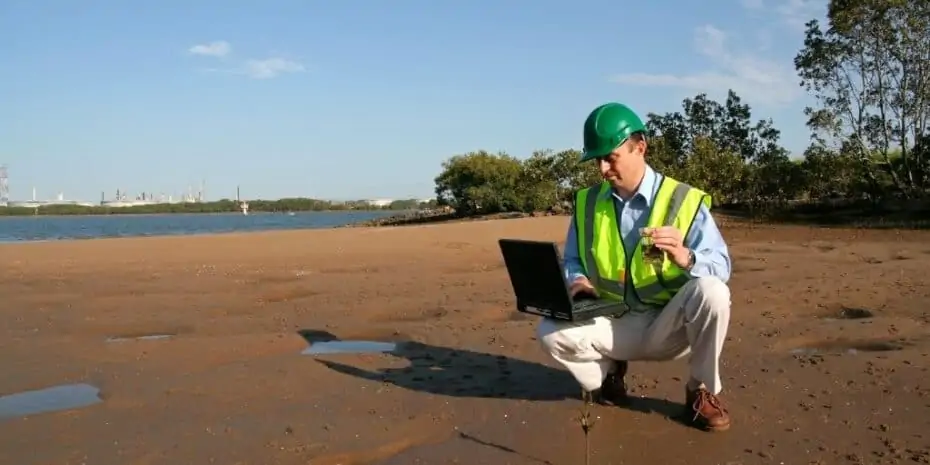
Environmental contamination poses significant threats to property values and public health. Property owners and developers face mounting pressure to identify potential hazards before acquisition or development begins. Smart risk management starts with understanding what lies beneath the surface.
Understanding Environmental Site Assessment Fundamentals
Property transactions carry hidden dangers that standard inspections cannot detect. Soil contamination, groundwater pollution, and hazardous waste deposits remain invisible to the naked eye. These environmental liabilities can cost millions in cleanup expenses and legal fees.
Advanced site assessment protocols provide the framework for identifying these risks early. Professional environmental consultants employ systematic approaches to evaluate properties comprehensively. Their expertise helps stakeholders make informed decisions about land use and development strategies.
The assessment process begins with thorough historical research and documentation review. Consultants examine previous land uses, industrial activities, and regulatory compliance records. This background investigation reveals potential contamination sources that might affect current property conditions.
The Two-Tier Approach to Environmental Investigation
Environmental due diligence follows a structured methodology that balances efficiency with thoroughness. The initial screening phase examines readily available information about the property's history. Investigators review aerial photographs, city directories, and environmental database records systematically.
This preliminary investigation identifies red flags that warrant deeper examination and analysis. Properties with former industrial operations or underground storage tanks trigger additional scrutiny. Sites located near landfills or manufacturing facilities also require enhanced evaluation protocols.
When initial findings suggest potential contamination, more intensive investigations become necessary. A phase 2 environmental site assessment involves actual sampling and laboratory analysis. Environmental professionals collect soil, groundwater, and building material samples for detailed testing.
Advanced Sampling Techniques and Analytical Methods
Modern environmental assessment relies on sophisticated sampling methodologies and precise analytical instruments. Direct push technology allows consultants to collect subsurface samples without extensive drilling. This minimally invasive approach reduces costs while providing accurate contamination data quickly.
Geophysical surveys complement traditional sampling by mapping subsurface features and anomalies. Ground-penetrating radar detects buried tanks, drums, and other potential contamination sources. Electromagnetic conductivity measurements identify areas where soil chemistry has been altered significantly.
Laboratory analysis employs state-of-the-art equipment to detect contaminants at incredibly low concentrations. Gas chromatography-mass spectrometry identifies volatile organic compounds with exceptional precision and accuracy. Inductively coupled plasma spectroscopy measures heavy metal concentrations in soil and water.
Emerging Contaminants and Modern Assessment Challenges
Environmental science continues evolving as researchers discover new classes of concerning substances. Per- and polyfluoroalkyl substances represent a growing category of persistent environmental pollutants. These chemicals resist natural degradation and accumulate in soil and groundwater systems.
Vapor intrusion assessment has become increasingly important in residential and commercial developments. Volatile chemicals in groundwater can migrate upward through soil into building foundations. This subsurface-to-indoor-air pathway creates health risks that traditional assessments sometimes overlook completely.
Pharmaceutical compounds and personal care products now appear in environmental samples regularly. Wastewater treatment facilities cannot remove these substances entirely from discharged water. Their long-term environmental and health effects remain subjects of ongoing scientific research.
Risk-Based Corrective Action Strategies
Not all contamination requires immediate or extensive remediation to protect human health. Risk-based approaches focus resources on addressing the most significant threats first. This methodology considers exposure pathways, receptor sensitivity, and contaminant mobility in decisions.
Site-specific risk assessment models calculate potential exposures under various land use scenarios. Commercial properties with paved surfaces present different risks than residential developments. Understanding these distinctions allows for tailored remediation strategies that match intended uses.
Institutional controls offer cost-effective alternatives to complete contaminant removal in some situations. Deed restrictions, engineering barriers, and land use limitations prevent harmful exposures effectively. These measures require ongoing monitoring and maintenance to ensure continued protection levels.
Integration of Technology in Modern Environmental Assessment
Digital tools have revolutionized how environmental professionals collect, analyze, and report data. Mobile field applications allow real-time data entry and immediate quality control checks. Cloud-based platforms enable project teams to access information from anywhere instantly.
Geographic information systems help visualize contamination patterns and potential migration pathways clearly. Three-dimensional modeling shows how pollutants move through complex subsurface geology layers. These visualizations improve communication with stakeholders who lack technical environmental expertise significantly.
Drones equipped with specialized sensors now assist in preliminary site reconnaissance activities. Thermal imaging cameras detect temperature anomalies that might indicate buried waste materials. Multispectral cameras identify stressed vegetation patterns associated with subsurface contamination presence.
Regulatory Compliance and Due Diligence Considerations
Environmental regulations vary significantly across jurisdictions and continue evolving with scientific understanding. Federal agencies establish baseline standards while state programs often impose stricter requirements. Local ordinances may add additional layers of compliance obligations for property owners.
The Comprehensive Environmental Response, Compensation, and Liability Act holds current owners potentially liable. This strict liability framework applies regardless of whether owners caused the contamination. Proper environmental assessment provides crucial liability protection through innocent purchaser defenses available.
Financial institutions increasingly require environmental assessments before approving commercial property loans and mortgages. Lenders recognize that contaminated properties present significant collateral risks to their investments. Comprehensive environmental documentation has become essential for successful real estate financing transactions.
Building a Proactive Environmental Risk Management Program
Successful organizations integrate environmental assessment into their standard property acquisition and management processes. Early identification of potential issues allows for negotiation of purchase price adjustments. Sellers may agree to conduct remediation or provide financial assurances against liabilities.
Periodic reassessment of existing properties helps identify emerging contamination before problems escalate. Regular monitoring detects changes in groundwater quality or soil conditions over time. This proactive approach minimizes unexpected costs and protects long-term property value effectively.
Environmental professionals should become trusted partners in strategic planning and decision-making processes. Their expertise extends beyond compliance to encompass sustainability and corporate responsibility goals. Integrating environmental considerations early improves project outcomes and reduces overall business risks.
Conclusion
Advanced environmental site assessment represents an essential investment in property value protection. Sophisticated investigation techniques reveal hidden contamination that threatens financial and human health. Organizations that prioritize environmental due diligence position themselves for sustainable long-term success.



 English
 Arabic
 Français
 Español
 Português
 Deutsch
 Dutch
Dutch
 Italiano
 Russian
 Romaian
 Portuguese (Brazil)
 Greek
Greek