


Streamline Asset Management and Improve Job Site Efficiency with Smart Software
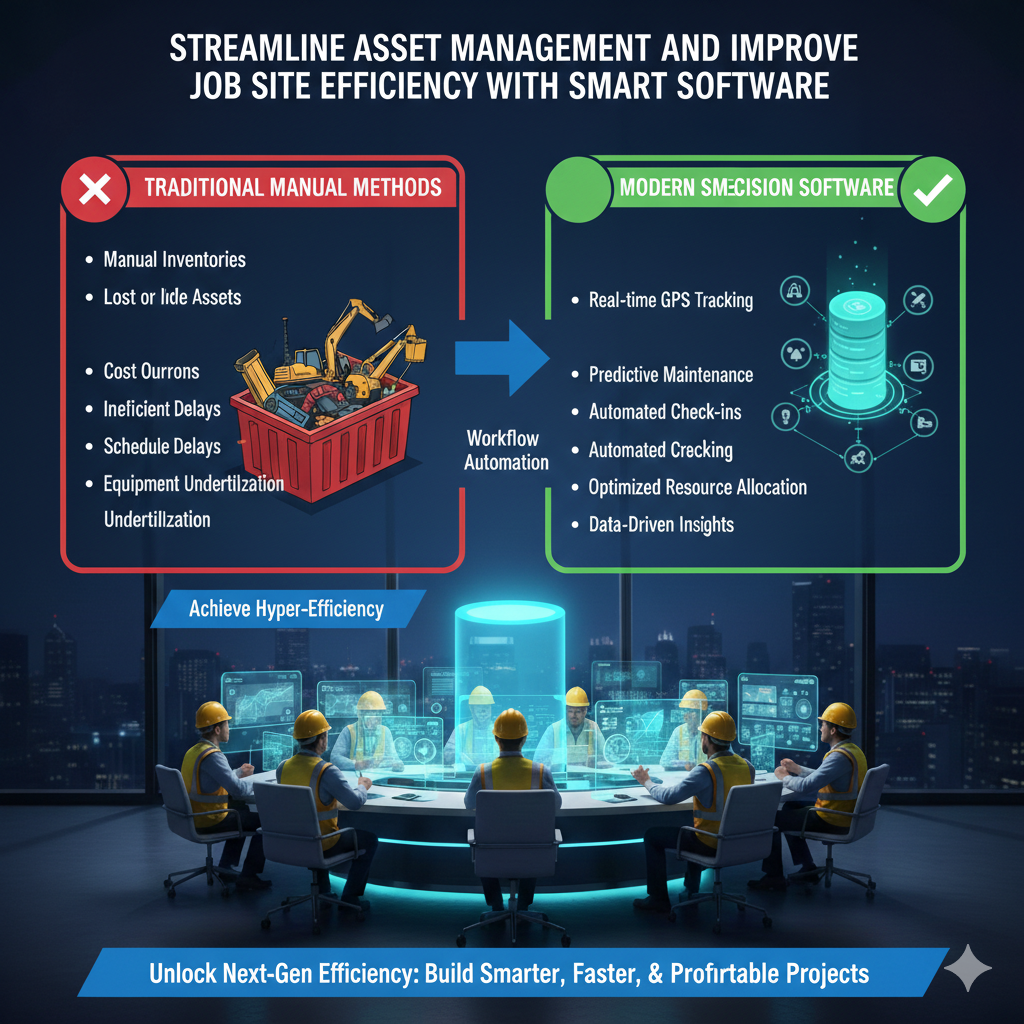
In the fast-paced world of construction, managing assets efficiently is critical to the success of any project. From heavy machinery to tools, managing a wide range of assets across multiple job sites can be a daunting task. Without a solid strategy and tools in place, construction companies risk losing valuable equipment, facing unnecessary downtime, and incurring extra costs that could have been avoided. Fortunately, construction asset tracking software offers a solution to streamline asset management and improve job site efficiency.
These smart software solutions not only help construction companies track their assets but also provide actionable insights that can boost overall productivity. By implementing a robust asset management system, construction companies can gain better control over their operations, reduce costs, and improve the utilization of their assets.
The Importance of Efficient Asset Management in Construction
Effective asset management is vital for construction businesses of all sizes. Without it, equipment can be misplaced, left unused, or even stolen, which leads to unnecessary downtime and increased expenses. Additionally, when assets are not tracked properly, businesses may struggle with scheduling maintenance or servicing equipment, leading to unexpected breakdowns.
On a job site, delays in equipment availability or faulty machinery can have a ripple effect, delaying the entire project. This is why construction companies must utilize tools that ensure assets are properly tracked, maintained, and efficiently utilized.
How Construction Asset Tracking Software Can Help
Construction asset tracking software provides a modern solution to these challenges by automating and simplifying the management of assets. Here are some of the key benefits of using this software:
1. Real-Time Location Tracking
The software uses GPS technology to track the real-time location of equipment and machinery, ensuring that it is always accounted for. This is especially important when equipment is used across multiple job sites or locations. With real-time tracking, businesses can easily locate their assets and prevent them from being misplaced or stolen.
Moreover, knowing the exact location of each piece of equipment enables more efficient scheduling and resource allocation. Fleet managers can assign the nearest available equipment to job sites, reducing delays and ensuring optimal equipment use.
2. Automated Maintenance Scheduling
One of the primary advantages of asset tracking software is the ability to schedule maintenance automatically based on the usage and condition of equipment. The software collects data on the operating hours of machinery, fuel usage, and performance, and triggers alerts when maintenance is due.
By following a proactive maintenance schedule, businesses can reduce the risk of unexpected breakdowns and extend the lifespan of their equipment. This also helps to avoid emergency repair costs and improves the overall reliability of the equipment on job sites.
3. Increased Efficiency and Utilization
Construction asset tracking software provides valuable insights into the performance and utilization of equipment. By tracking usage patterns, managers can identify which assets are underused and which ones are being overused.
This information allows companies to make data-driven decisions about when to rotate machinery, reallocate resources, or purchase additional assets. Optimizing the use of available equipment helps reduce the need for costly rentals and ensures that resources are used to their full potential, ultimately improving productivity.
4. Enhanced Security and Theft Prevention
Construction sites are often targets for theft, with expensive equipment left unattended overnight or in remote areas. With asset tracking software, businesses can set geofences around their equipment and receive immediate alerts if the equipment is moved outside of designated areas.
This feature helps prevent theft and unauthorized use of assets. In case of a theft incident, the software's tracking capabilities can assist law enforcement in recovering stolen equipment quickly.
5. Improved Reporting and Analytics
Construction asset tracking software provides detailed reports and analytics that give businesses a comprehensive overview of their equipment fleet. These reports include information on asset utilization, maintenance schedules, operating costs, and overall performance.
With this data at hand, managers can make informed decisions that reduce costs, optimize performance, and improve efficiency. The software also helps track equipment depreciation, providing financial insights that help with budgeting and forecasting.
Choosing the Right Construction Asset Tracking Software
When selecting construction asset tracking software, there are several key factors to consider:
1. Scalability
Choose a software solution that can grow with your business. Whether you have a small fleet or a large one, the software should be able to scale to meet your needs. It should also be adaptable to manage different types of assets, from small tools to large machinery.
2. Ease of Use
The software should be user-friendly, with an intuitive interface that makes it easy for your team to use. Complicated systems can lead to errors and inefficiencies. Ensure that the software is easy to implement and that your team can quickly adopt it.
3. Mobile Accessibility
Since construction managers and field workers are often on the go, mobile access is essential. The software should be accessible via smartphones and tablets so that your team can track assets, schedule maintenance, and receive alerts in real-time, no matter where they are.
4. Integration with Other Systems
To maximize efficiency, the asset tracking software should integrate seamlessly with other systems, such as project management software, inventory management, and financial systems. Integration ensures that all systems work together to provide accurate, real-time data across your operations.
5. Customer Support
Choose a software provider that offers reliable customer support and training. If issues arise or your team needs assistance, you should be able to reach out to the support team for help. Ensure that the provider offers tutorials and resources to help your team get the most out of the software.
Conclusion
Construction asset tracking software offers a comprehensive solution for businesses looking to streamline operations and improve job site efficiency. By providing real-time tracking, automated maintenance scheduling, and valuable performance insights, this software helps construction companies keep their assets in top condition while maximizing their utilization.
With the ability to enhance security, improve resource allocation, and provide data-driven insights, construction asset tracking software enables businesses to reduce costs, increase productivity, and ensure smoother project execution. By choosing the right software and implementing it effectively, construction companies can achieve better control over their equipment and assets, leading to improved performance and long-term success.


 English
 Arabic
 Français
 Español
 Português
 Deutsch
 Dutch
Dutch
 Italiano
 Russian
 Romaian
 Portuguese (Brazil)
 Greek
Greek