


Clinical Guide to the Grooved Director Instrument
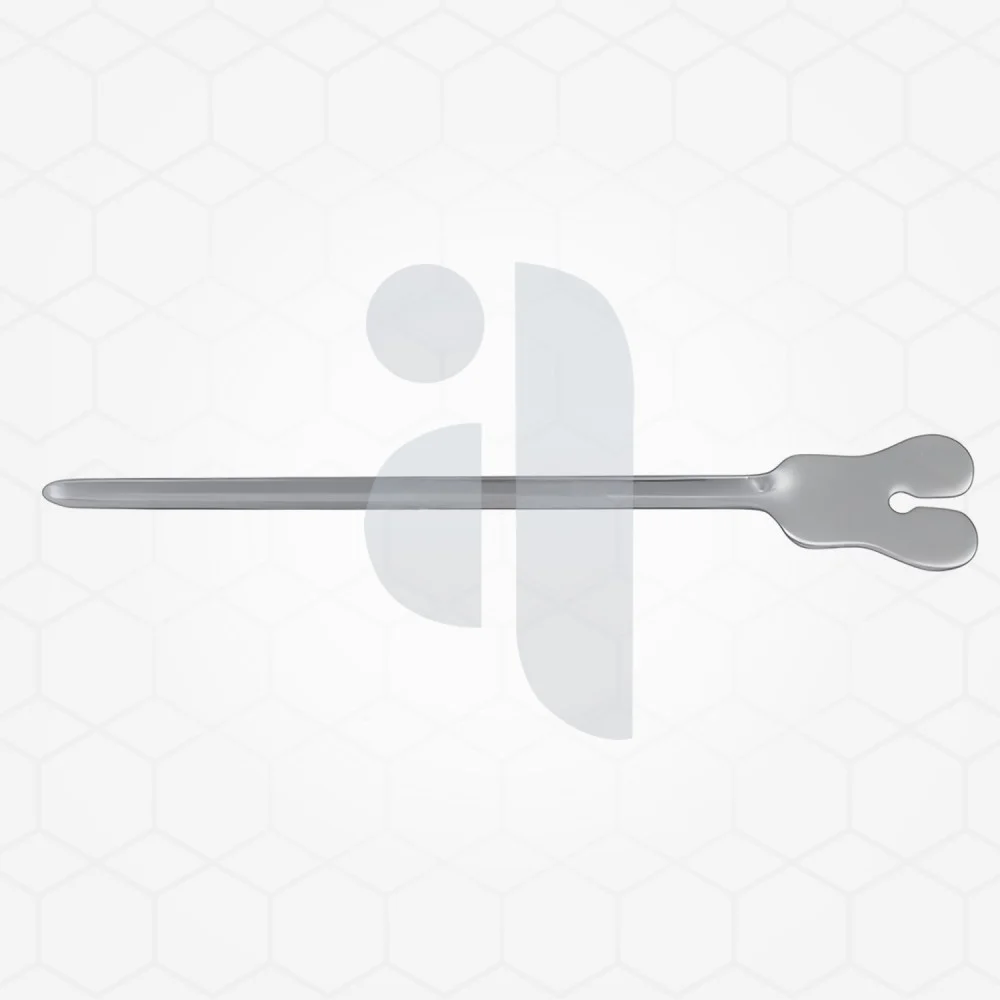
Precision and reliability define successful surgical outcomes in modern operating rooms. Surgeons rely on specialized tools to navigate complex anatomical structures safely and efficiently. The grooved director instrument plays a fundamental role in these delicate procedures. This tool guides scalpels and other sharp implements to protect underlying blood vessels and nerves during fascia incisions. This comprehensive guide details the practical applications, material specifications, and maintenance protocols required for optimal surgical performance.
Complementary Tools and the Boies Elevator
Surgical trays often combine various specialized instruments to ensure comprehensive procedural coverage. The boies elevator frequently accompanies guiding tools during reconstructive and otorhinolaryngology surgeries. Surgeons utilize the boies elevator to carefully lift and separate delicate tissues, particularly during nasal fracture repairs and sinus procedures. This combination of lifting and guiding ensures that practitioners can manipulate anatomical structures without causing unnecessary trauma to surrounding areas. Proper tissue elevation allows the surgeon to visualize the operative field clearly before making critical incisions.
Anatomical Navigation and Tissue Dissection
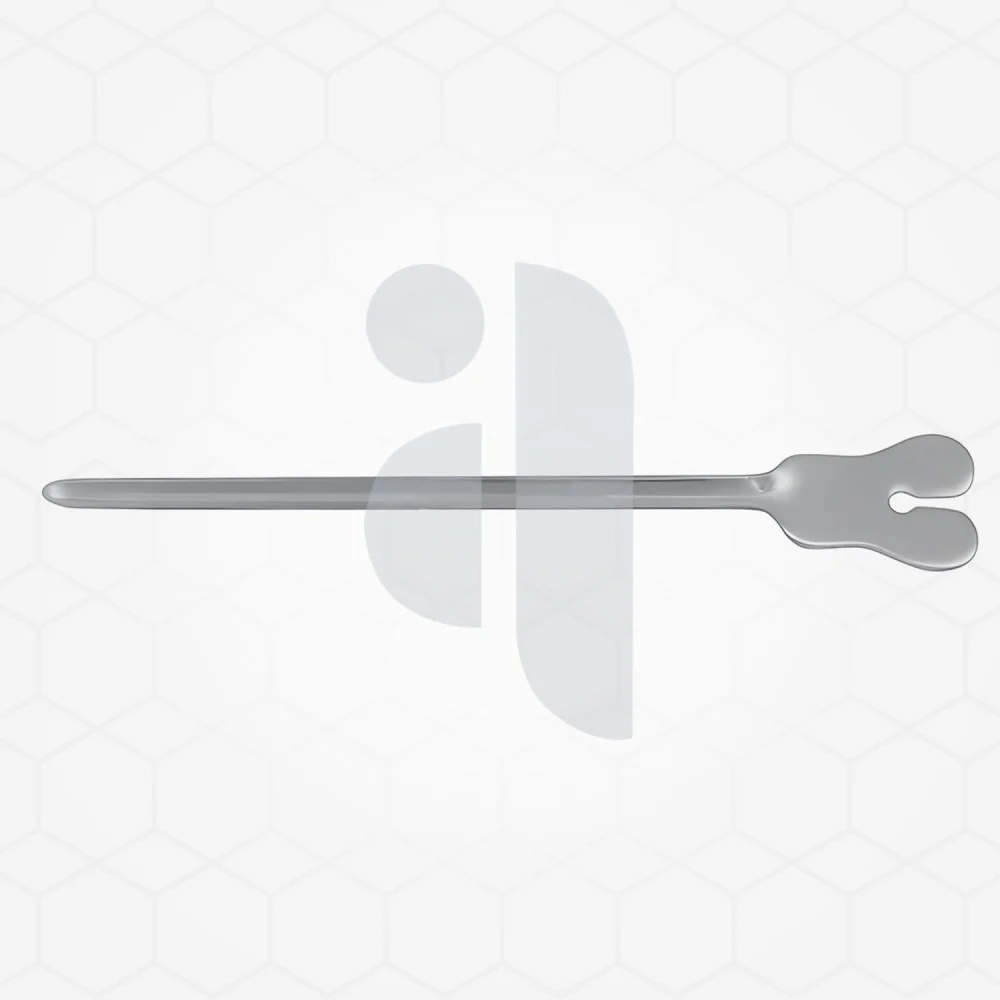
Accurate tissue dissection requires instruments that provide both tactile feedback and physical barriers. The grooved director instrument excels in this capacity by offering a secure channel for cutting edges to follow. Surgeons slide the probe end under the target tissue layer, such as the linea alba or fascia, lifting it away from vulnerable internal organs. The recessed channel then captures the scalpel blade, directing the cut precisely along the intended path. This method significantly reduces the risk of accidental lacerations during complex abdominal or general surgeries.
Material Composition and Ergonomic Design
Medical-grade stainless steel forms the foundation of these critical surgical guides. Manufacturers utilize specific austenitic alloys to ensure the grooved director instrument withstands the rigors of repeated sterilization and mechanical stress. The smooth, polished surface minimizes tissue drag, allowing the probe to glide effortlessly through anatomical planes. The handle design typically incorporates a flattened or slightly flared end, providing the surgeon with a stable grip and superior rotational control. Such ergonomic considerations prevent hand fatigue during lengthy operative sessions and improve overall procedural safety.
Sterilization and Infection Control Standards
Maintaining a sterile field remains paramount in any surgical environment. The solid stainless steel construction of these guiding tools facilitates rigorous autoclaving and chemical sterilization protocols. Technicians must clean the central channel meticulously, as the recessed track can harbor microscopic bioburden if overlooked. Ultrasonic cleaning combined with enzymatic detergents ensures the complete removal of tissue debris before high-temperature processing. Strict adherence to these maintenance procedures guarantees the longevity and safety of the equipment across countless surgical applications.
Commitment to Surgical Excellence
Sourcing reliable medical equipment directly impacts patient safety and procedural efficiency. Healthcare facilities require supply partners who understand the stringent demands of modern medicine. Azeemed Instruments is dedicated to providing high-quality surgical tools that meet the needs of professionals. This commitment ensures that every grooved director instrument arriving in the operating room functions flawlessly. Rigorous quality control checks verify the structural integrity and surface finish of each tool, ensuring they meet stringent international medical device standards.
Enhancing Operative Precision
Equipping medical teams with superior tools elevates the standard of care delivered to patients. This specialized surgical guide remains an indispensable asset for safe and controlled tissue dissection. Hospital procurement managers and surgical department heads must prioritize instruments that offer both durability and functional precision. Evaluating your current surgical trays and updating them with premium tools will immediately benefit your surgical staff. Invest in high-quality medical equipment today to support your clinical teams in achieving the best possible surgical outcomes.



 English
 Arabic
 Français
 Português
 Deutsch
 Türkçe
 Dutch
Dutch
 Italiano
 Russian
 Romaian
 Portuguese (Brazil)
 Greek
Greek