


Beautiful Landscaping Doesn’t Have to Break the Bank: Budget Supplies Guide
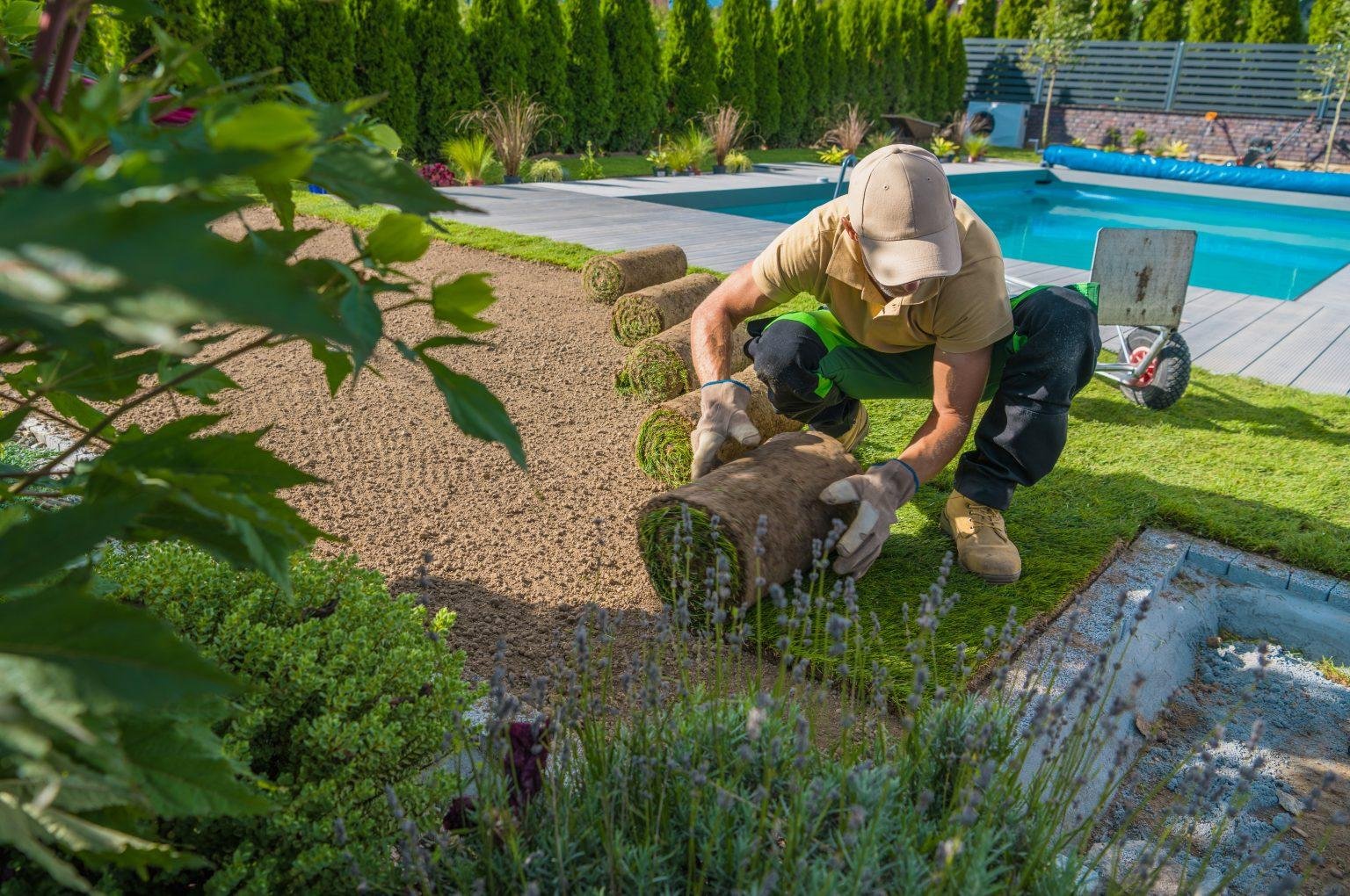
Creating a stunning outdoor space doesn’t have to mean draining your savings. In fact, the data tells a different story.
The average landscaping project costs around $3,650, but can range anywhere from $120 to over $4,300 depending on scope. Meanwhile, larger renovations can climb to $15,000–$50,000 or more, especially when labor and premium materials are involved.
Here’s the key insight: labor can account for 50–70% of total landscaping costs, making DIY and smart material choices one of the most effective ways to save. Even better, a well-designed landscape can increase property value by 10% to 30%, proving that budget-friendly doesn’t mean low quality.
With the right approach and budget landscape supplies, you can achieve a high-end look for a fraction of the cost.
Why Budget Landscaping Works
Many homeowners assume that great landscaping requires premium materials and professional installation. While those can help, they’re not essential.
Budget landscaping focuses on:
- Smart planning
- Affordable materials
- DIY execution where possible
- Long-term growth (instead of instant results)
The reality is simple: thoughtful design matters more than expensive supplies. A well-arranged garden using low-cost materials can look just as impressive as a high-end project.
Choosing the Right Budget Landscape Supplies
Not all affordable supplies are created equal. The goal is to balance cost, durability, and visual appeal.
1. Mulch: Affordable and Impactful
Mulch is one of the most cost-effective landscaping materials available. It improves soil health, retains moisture, and instantly makes garden beds look polished.
Typical costs can be as low as $30 to $120 per cubic yard, making it a high-impact, low-cost upgrade.
2. Gravel and Stones
Gravel is a budget-friendly alternative to expensive paving. It’s perfect for:
- Walkways
- Driveways
- Decorative garden features
Compared to hardscaping materials, gravel requires less labor and preparation, significantly reducing costs.
3. Plants: Start Small, Grow Big
One of the easiest ways to save money is by choosing smaller plants. While mature plants offer instant results, younger plants are far more affordable and will grow over time.
Budget-friendly plant strategies include:
- Buying seedlings instead of full-grown plants
- Choosing native species (lower maintenance and cost)
- Growing from seeds
4. Recycled and Upcycled Materials
Repurposing materials is a powerful way to cut costs. Items like old bricks, pallets, and containers can be transformed into:
- Garden borders
- Planters
- Outdoor furniture
This approach not only saves money but also adds a unique, personalized touch to your landscape.
DIY Landscaping: The Biggest Cost Saver
Since labor is often the largest expense, doing some of the work yourself can dramatically reduce your budget.
DIY-friendly tasks include:
- Planting flowers and shrubs
- Spreading mulch
- Building simple garden beds
- Installing gravel paths
Even small DIY efforts can save hundreds—or even thousands—of dollars.
As one landscaping guide notes, simple DIY projects can fall within $500 to $3,000, making them far more accessible than full-service landscaping.
Smart Design Tips for a High-End Look
Budget landscaping isn’t just about saving money—it’s about spending wisely. These design strategies can elevate your outdoor space without increasing costs.
Focus on Key Areas
Instead of redesigning your entire yard, prioritize high-visibility areas like:
- Front entrances
- Walkways
- Outdoor seating spaces
This creates maximum impact with minimal investment.
Use Layers and Textures
Combining different plants, materials, and heights adds depth and visual interest. For example:
- Mix gravel with greenery
- Combine tall plants with ground cover
- Use edging to define spaces
Limit Hardscaping
Hardscaping elements like patios and retaining walls are often the most expensive features. Reducing their size—or replacing them with cheaper alternatives—can significantly lower costs.
Plan for Growth
Budget landscaping is often about patience. Instead of buying mature plants, invest in smaller ones and let them grow over time. This approach reduces upfront costs while still achieving a lush, full look in the future.
Where to Save vs. Where to Spend
Not everything should be done on a tight budget. The key is knowing where to cut costs—and where to invest.
Save On:
- Mulch and soil
- Basic plants and seeds
- Decorative elements
- DIY labor
Spend On:
- Quality tools (long-term investment)
- Irrigation systems (efficiency and water savings)
- Structural elements that require durability
Balancing these choices ensures your landscape remains both affordable and long-lasting.
Common Budget Landscaping Mistakes
Avoiding these mistakes can save you money and frustration:
- Skipping a plan: Without a clear design, costs can quickly spiral
- Buying everything at once: Phasing your project helps manage expenses
- Choosing high-maintenance plants: These can increase long-term costs
- Overusing expensive materials: Focus on affordability without sacrificing style
The Long-Term Value of Budget Landscaping
Budget landscaping isn’t just about saving money upfront—it’s about creating sustainable, long-term value.
A well-planned landscape:
- Enhances curb appeal
- Increases property value
- Reduces maintenance costs
- Improves outdoor living space
By focusing on cost-effective supplies and smart design, you can achieve professional-looking results without the professional price tag.
Beautiful landscaping doesn’t require a massive budget—it requires smart decisions. With the right budget landscape supplies, creative design, and a willingness to take on some DIY work, you can transform your outdoor space into something truly impressive.
The key is to think long-term, prioritize value, and make every dollar count. In doing so, you’ll create a landscape that not only looks great today but continues to grow and improve for years to come.


 English
 Arabic
 Français
 Português
 Deutsch
 Türkçe
 Dutch
Dutch
 Italiano
 Russian
 Romaian
 Portuguese (Brazil)
 Greek
Greek