In safety-critical industrial environments such as power generation and heavy process industries, the ability to respond instantly to fault conditions is essential. Turbine systems, in particular, operate under high speeds, pressures, and temperatures, where even a minor malfunction can escalate into severe equipment damage or safety hazards.
To mitigate these risks, emergency trip systems are implemented to initiate immediate shutdown procedures when abnormal conditions are detected. At the core of these systems are specialized termination and control interfaces that ensure reliable signal transmission and execution.
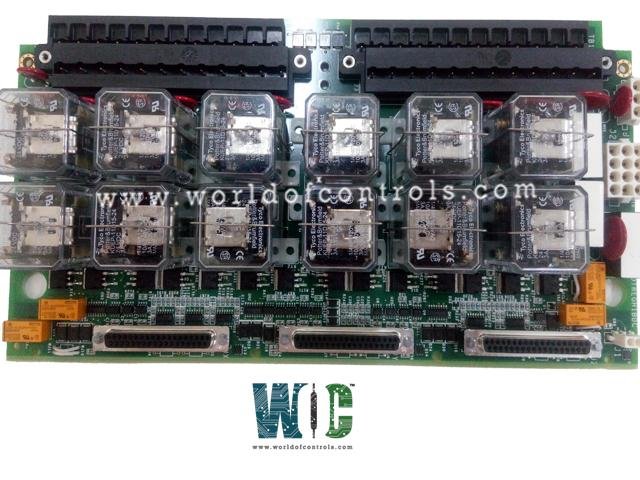
The IS200TREGH1BDB Turbine Emergency Trip Terminal Board is designed to support fast, accurate, and fail-safe trip operations. This article explores how it enhances safety, ensures rapid shutdown, and aligns with modern industrial automation and safety standards.
The Importance of Emergency Trip Systems in Industrial Safety
Emergency trip systems are designed to protect equipment and personnel by shutting down operations when critical thresholds are exceeded. These systems monitor parameters such as:
- Overspeed conditions
- Overtemperature levels
- Pressure anomalies
- Mechanical faults
When a fault is detected, the system must act instantly to prevent damage or hazardous situations.
Challenges in emergency trip systems include:
- Signal delays or inaccuracies
- Wiring or connection failures
- Noise interference affecting critical signals
- Inconsistent response times
A reliable terminal board ensures that trip signals are transmitted and executed without delay or error.
Understanding the Role of a Turbine Emergency Trip Terminal Board
A turbine emergency trip terminal board acts as the interface between sensors, control systems, and shutdown mechanisms. It organizes and manages the wiring and signal pathways required for emergency trip operations.
Typical deployment environments include:
- Gas and steam turbine control systems
- Power generation plants
- Industrial process control systems
- Energy and utilities infrastructure
By providing a structured and dependable connection point, the board ensures that emergency signals are handled with precision.
Key Capabilities That Enable Safety-Critical Performance
The board incorporates several features that are essential for safety applications:
- High-reliability signal termination
Ensures accurate transmission of trip signals
- Low-latency response support
Enables immediate activation of shutdown mechanisms
- Electrical isolation
Protects critical circuits from interference and faults
- Robust industrial design
Built to withstand harsh operating conditions
- Compatibility with safety systems
Integrates with turbine control and protection architectures
These capabilities make it a critical component in safety-focused system design.
Enabling Rapid and Reliable Shutdown Operations
The effectiveness of an emergency trip system depends on how quickly and accurately it can respond to abnormal conditions. The board enhances this process by:
- Providing direct and stable signal pathways
- Minimizing delays in signal transmission
- Ensuring accurate detection and execution of trip commands
- Supporting fail-safe operation in critical scenarios
This ensures that turbines and associated equipment can be shut down immediately when required.
Enhancing System Safety and Risk Mitigation
Safety is the primary objective of any emergency trip system. The board contributes by:
- Reducing the risk of catastrophic equipment failure
- Protecting personnel from hazardous conditions
- Supporting reliable activation of safety mechanisms
- Ensuring consistent performance under stress conditions
These benefits are essential for maintaining safe operations in high-risk environments.
Impact on System Stability and Operational Integrity
While emergency trip systems are primarily designed for safety, they also play a role in maintaining overall system stability. The board supports this by:
- Ensuring predictable system response during faults
- Preventing cascading failures across subsystems
- Supporting controlled shutdown procedures
- Reducing downtime caused by unplanned incidents
This helps maintain operational integrity even in challenging conditions.
Applications Across Key Technology Domains
The Turbine Emergency Trip Terminal Board is widely used in:
- Energy and Power Generation
Ensuring safe turbine operation and protection
- Oil and Gas
Managing safety-critical processes
- Process Industries
Supporting reliable shutdown systems
- Automation and Industrial Control
Enhancing safety in complex control environments
In each of these domains, rapid and reliable shutdown capability is essential.
Operational Best Practices and Maintenance
To ensure optimal performance in safety-critical applications, organizations should follow best practices:
- Regular testing of trip system functionality
- Inspection of wiring and terminal connections
- Monitoring for signal inconsistencies
- Integration with safety audits and compliance checks
These measures help maintain system readiness and ensure reliable operation when needed.
Conclusion
In modern industrial environments, safety and reliability are non-negotiable. The IS200TREGH1BDB Turbine Emergency Trip Terminal Board plays a crucial role in ensuring that emergency shutdown systems operate with speed and precision.
By enabling accurate signal transmission, minimizing response time, and supporting fail-safe operation, it enhances both safety and system stability. For organizations operating in high-risk industries, investing in robust emergency trip solutions is essential for protecting assets, personnel, and long-term operational success.





 English
 Arabic
 Français
 Español
 Português
 Deutsch
 Türkçe
 Dutch
Dutch
 Italiano
 Russian
 Romaian
 Greek
Greek