


Things to Check Before Buying an MS Pipe
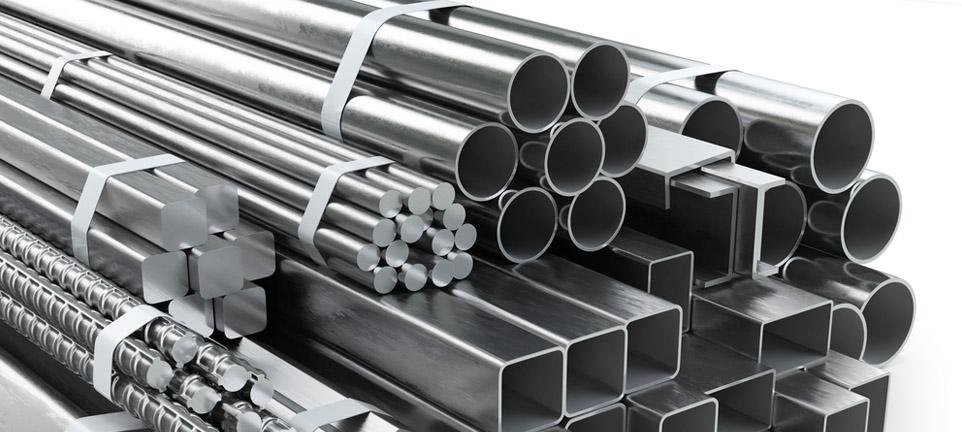
Things to Check Before Buying an MS Pipe
Buying an MS pipe looks simple. You call a supplier, tell them the size, and place the order.
But if you skip a few checks, you can end up with pipes that don't fit your project, fail under pressure, or cost you more in the long run. Here's what to actually look at before you buy.
1. Check the Grade of the Pipe
MS pipe isn't just "MS pipe." It comes in different grades, and each grade has a different strength and use case.
Ask your supplier which grade they're selling you. Common grades used in India include IS 1239 (for water, gas, and general engineering) and IS 3589 (for larger diameter pipes used in construction and water supply lines).
If you're using the pipe for structural work, don't accept a pipe meant for water lines. The wall strength and finish are different.
2. Check the Size Carefully — OD, ID, and Wall Thickness
Pipe size isn't just the diameter you see on paper. You need to check three things:
- Outer diameter (OD) — this decides how the pipe fits with fittings, flanges, or other pipes
- Wall thickness — this decides how much pressure or load the pipe can handle
- Schedule (SCH) — a standard way to describe wall thickness (SCH 40, SCH 80, etc.)
Two pipes can have the same OD but different wall thickness. If you only check OD, you might end up with a pipe that's too weak for your job.
3. Check the Surface Finish
Run your hand along the pipe, or at least ask for pictures if you're buying online.
Look for:
- Rust spots, especially inside the pipe
- Scale (a rough, flaky layer on the surface)
- Dents or bends from bad handling or storage
A pipe with heavy scale or rust needs extra cleaning before you can weld or paint it. That's extra cost and time you didn't plan for.
4. Ask for Test Certificates
A genuine supplier will have mill test certificates (MTC) for the batch of pipes they're selling you.
This certificate tells you:
- The exact chemical composition of the steel
- Tensile strength and yield strength
- Which IS (Indian Standard) code the pipe was made to
If a supplier can't produce this document, that's a red flag. It usually means the pipe hasn't gone through proper quality checks, or the supplier is mixing stock from different sources.
5. Check the Weight, Not Just the Size
Pipes are sold by weight, not just by length or size. Two pipes of the same size can weigh differently if the wall thickness varies even slightly.
Ask for the actual weight per piece or per meter, and compare it with the theoretical weight for that size and grade. If the actual weight is much lower, the wall thickness may be thinner than what was promised — meaning less steel, less strength.
6. Check the Supplier's Track Record
Before you place a bulk order, ask around or check reviews. A few useful questions to ask a new supplier:
- How long have they been in the MS pipe business?
- Do they manufacture, or do they resell from another mill?
- Can they show you past project references?
Suppliers who've been in the business for years usually have consistent stock quality and fewer surprises.
7. Compare Price the Right Way
Don't compare prices per piece across suppliers — compare price per kg. Pipe pricing is based on weight, and if you're not comparing on that basis, you're not really comparing at all.
Also ask what's included in the quoted price — transport, loading, unloading, GST. Some quotes look cheaper only because these costs are added later.
8. Check Delivery and Storage Conditions
Ask the supplier how the pipes will be packed and transported. Pipes that are loaded loosely or without proper strapping can get scratched, bent, or dented in transit.
If you're storing pipes yourself before use, keep them off the ground and covered. Moisture on the ground is one of the biggest causes of early rusting.
FAQ
What's the difference between MS pipe and GI pipe? MS (mild steel) pipe is plain steel, no coating. GI (galvanized iron) pipe has a zinc coating on top of MS, which protects it from rust. GI costs more but lasts longer in wet or outdoor conditions.
Which IS standard should I ask for? It depends on your use. IS 1239 is common for water and gas lines. IS 3589 is used for pipes in construction, water supply, and general engineering with larger diameters. IS 4923 covers hollow sections used in structural work.
Can I use MS pipe for drinking water lines? Plain MS pipe rusts over time and isn't ideal for drinking water. GI pipe or coated pipe is the safer choice for that use.
How do I know if the pipe thickness is accurate? Ask for the weight per meter and compare it against the standard weight chart for that size and schedule. A big difference usually means the thickness isn't what's claimed.
Is a cheaper pipe always a bad choice? Not always — but cheaper pipes are often cheaper because the wall thickness is less, or the steel grade is lower. Always check the specification before deciding based on price alone.


 English
 Arabic
 Français
 Español
 Português
 Deutsch
 Türkçe
 Italiano
 Russian
 Romaian
 Portuguese (Brazil)
 Greek
Greek