


5 Fire Alarm Installation Mistakes to Avoid
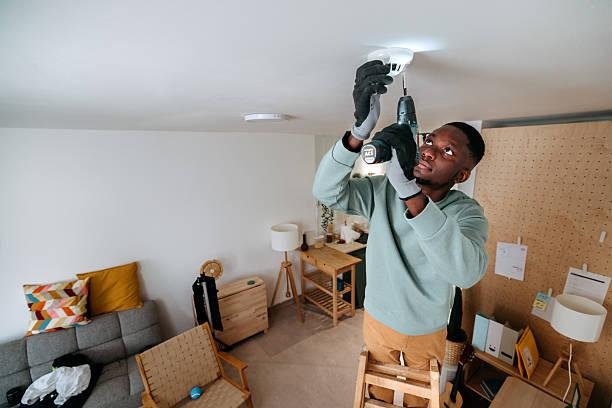
Most people don't think much about fire alarm installation until something goes wrong. A failed inspection. A denied insurance claim. Or worse, a system that didn't do its job when it mattered most. If you're planning to put in a fire alarm system for your home or business, the decisions you make before the first wire gets run will determine whether the whole thing holds up or falls apart. Getting Fire Alarm Installation in Oakland CA done right the first time saves you real money and, honestly, real risk. Here are five mistakes that come up again and again, and how to avoid every one of them.
Picking the Wrong Type of System for Your Property
This one catches people off guard. There's a big difference between ionization detectors, photoelectric detectors, and fully addressable systems, and the wrong choice for your building type can leave you either constantly annoyed by false alarms or genuinely under-protected. Ionization detectors react fast to fast-flaming fires. Photoelectric units are better at catching slow, smoldering fires that produce a lot of smoke before any flame shows up.
For a small single-family home, a combination of both types usually works fine. But for a commercial space, a multi-unit building, or anything with a complex floor plan, you almost certainly need an addressable system. Addressable panels can pinpoint exactly which detector triggered, down to the specific zone or device. That's not a luxury. That's how firefighters know where to go when they walk through your door.
A lot of property owners just buy whatever the big box store has on the shelf. That works out sometimes. But if your occupancy type is anything other than a straightforward single-family residence, it's worth talking to someone who knows the relevant codes before you commit to hardware.
Putting Detectors in the Wrong Spots
Placement errors are probably the most common complaint I hear from people who've already had a system put in. Smoke detectors near kitchens, HVAC return vents, or bathrooms with a lot of steam are going to false-alarm constantly. And once a system cries wolf too many times, people start ignoring it. That's a serious problem.
The general rule from NFPA 72, the National Fire Alarm and Signaling Code, is that smoke detectors should be at least ten feet away from cooking appliances unless you're using a detector with a special algorithm designed for kitchen use. HVAC vents push air around in ways that can either dilute smoke or carry it to the wrong detector entirely. High-humidity zones cause similar headaches with certain sensor types.
Ceiling height matters too. A detector mounted in a peaked ceiling needs to sit away from the apex, not right at the top. Dead air spaces collect up there, and smoke actually takes longer to reach a detector placed at the peak. Most installers know this. Not all of them check for it on every job.
Skipping Permits and Inspections
This is where things get expensive fast. Skipping the permit process feels like a shortcut. It isn't. If your system was installed without a permit and you have a fire, your insurance company has every right to question whether the system met code, and some will use that as grounds to reduce or deny your claim.
Beyond insurance, NFPA 72 and Oakland's local fire codes require permits and inspections for most fire alarm installations. Non-compliance can result in fines, mandatory removal of the system, or a failed certificate of occupancy if you're trying to open a business. Fire Alarm Installation Services in Oakland CA always involves pulling the right permits before work starts. Any contractor who tells you permits aren't necessary for your job is either wrong or hoping you don't ask more questions.
Inspections also catch things that even good installers miss. A fresh set of eyes from the fire marshal's office has found wiring issues, missing devices, and documentation gaps that would have caused problems down the line. It's not just bureaucracy. It's a second check on the work.
Underestimating How Many Detectors You Actually Need
Minimum coverage isn't the same as proper coverage. A lot of installers will quote you a job based on the fewest detectors that technically satisfy code. That gets them to a lower bid price. It also leaves gaps. Real gaps.
Proper zone mapping takes your actual floor plan into account. Room shape, ceiling height, partitions, HVAC layout, and how the building gets used all affect where detectors should go and how many you need. A long narrow corridor needs different coverage than an open warehouse floor. A server room has different risks than a conference room right next to it. Fire Alarm Installation Services in Oakland CA done well means someone actually walked the building and thought through these things, not just divided the square footage by a coverage number from a spec sheet.
If you're getting bids and one is dramatically lower than the others, ask specifically how many devices are included and how coverage was calculated. That question alone will tell you a lot about who did their homework.
Hiring Someone Who Isn't Qualified for the Job
This is the big one. Unlicensed contractors are cheaper upfront. Sometimes significantly cheaper. But for commercial work or multi-unit residential buildings in California, fire alarm installation requires specific state licensing and, in many cases, certifications tied to the panel manufacturer or system type being installed.
If a contractor can't pull a permit, that's usually because they're not licensed to do so. That should end the conversation right there. CA FIRE ALARM INC is one example of a licensed, certified company that handles this kind of work in the Oakland area, and there are others worth looking into. The point is, verify credentials before anyone touches your building.
Failed final inspections due to unlicensed work don't just cost you the rework. They can delay your certificate of occupancy, create personal liability if someone gets hurt, and in some cases lead to the fire authority requiring a full system removal and reinstall by a qualified contractor. That's a painful and avoidable situation.
Frequently Asked Questions
What's the difference between ionization and photoelectric smoke detectors?
Ionization detectors respond faster to flaming fires with small combustion particles. Photoelectric detectors are better at catching slow, smoldering fires that produce heavy smoke. Most fire safety experts recommend using both types, or a combination detector that does both in a single unit.
Do I need a permit for fire alarm installation in Oakland?
Yes, in almost every case. Oakland follows NFPA 72 and California fire code, both of which require permits and inspections for new fire alarm systems and major modifications to existing ones. Skipping this step creates real legal and insurance exposure.
How do I know if I have enough detectors for my building?
Minimum code compliance isn't always enough. A proper installation starts with zone mapping based on your actual floor plan, ceiling heights, HVAC layout, and how the space gets used. If your installer never walked the building before quoting, that's a warning sign.
Can a homeowner install their own fire alarm system in California?
For a basic single-family home, some DIY options exist for simple smoke and CO detector setups. But for anything involving a hardwired panel, commercial property, or multi-unit building, California requires licensed contractors. Getting it wrong means failed inspections and potential liability.
What should I look for when hiring a fire alarm contractor?
Check that they hold a current California contractor's license, can pull permits in your jurisdiction, have experience with your building type, and carry proper insurance. Ask for references from similar projects. A good contractor won't mind those questions at all. A bad one usually will.
Fire Alarm Installation in Oakland CA isn't the kind of project where cutting corners pays off. The mistakes above are common, they're avoidable, and knowing what to watch for puts you in a much better position before any work begins.


 Arabic
 Français
 Español
 Português
 Deutsch
 Türkçe
 Dutch
Dutch
 Italiano
 Russian
 Romaian
 Portuguese (Brazil)
 Greek
Greek