


Home Additions: Creating More Space Without Moving
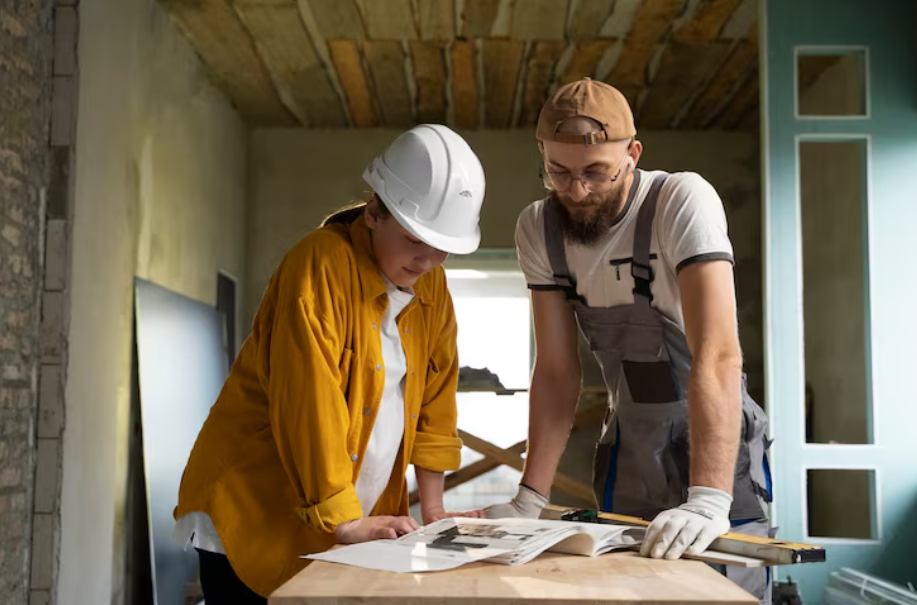
When a family needs more space, moving to a larger house is not always the best solution. Home additions can provide the extra room homeowners need while allowing them to remain in a familiar neighborhood. Whether the goal is to create a larger kitchen, add a bedroom, build a home office, or expand the living area, an addition can improve both comfort and functionality.
A well-planned addition can also make a home feel more personalized. Instead of adapting to the limitations of an existing floor plan, homeowners can create spaces designed around their current lifestyle. With thoughtful planning, the new area can blend naturally with the original structure and provide long-term value.
Why Consider Home Additions?
One of the biggest reasons homeowners choose home additions is the need for additional living space. Families grow, work arrangements change, and personal needs evolve over time. A home that once felt spacious may eventually become crowded.
Adding space can solve these problems without requiring a complete relocation. For example, a growing family might benefit from an additional bedroom or bathroom. Someone working from home may need a quiet office. Others may want a larger dining area, entertainment room, or guest suite.
Home additions can also improve the way a house is used. A poorly designed layout may have unused corners or rooms that do not serve a practical purpose. An addition gives homeowners an opportunity to create a more efficient arrangement that supports everyday activities.
Popular Types of Home Additions
There are many ways to expand a property, depending on available space, budget, and personal requirements. A room addition is one of the most common choices because it can provide a dedicated area for a specific purpose.
Kitchen expansions are another popular option. A larger kitchen can offer additional cabinets, countertops, storage, and space for family gatherings. Living room extensions can make the main area more comfortable, especially for households that regularly entertain guests.
Bedroom additions are useful for growing families or homeowners who frequently host visitors. A new bedroom can also be designed as a private guest suite with an attached bathroom.
Homeowners may also consider adding a home office, sunroom, laundry room, playroom, or entertainment space. The best choice depends on how the household uses the property and what improvements would provide the greatest practical benefit.
Planning Your Addition Carefully
Successful home additions begin with detailed planning. Before construction starts, homeowners should consider the purpose of the project, the available property space, the desired layout, and the overall budget.
It is important to think beyond the size of the new room. The addition should connect naturally with the existing home. Doorways, windows, flooring, lighting, electrical systems, heating, and cooling should all be considered during the planning stage.
Homeowners should also think about how the addition will look from both inside and outside. Matching or complementing the existing architectural style can create a cohesive appearance. A poorly integrated addition may look disconnected from the original structure, while a carefully designed project can appear as though it was part of the home from the beginning.
Choosing a Home Addition Contractor
Selecting the right home addition contractor is one of the most important decisions in the entire project. Construction involves many details, and an experienced professional can help coordinate the work from planning through completion.
A qualified home addition contractor should understand structural requirements, construction techniques, project scheduling, and the practical challenges involved in connecting new construction to an existing home. Homeowners should look for someone who communicates clearly and provides a detailed explanation of the proposed work.
It is also helpful to ask about previous projects. Reviewing examples of completed additions can provide an idea of the contractor's workmanship, attention to detail, and ability to handle projects similar to the homeowner's plans.
Clear communication is essential. Before signing an agreement, homeowners should understand the expected timeline, materials, payment schedule, project scope, and procedures for handling changes. A detailed agreement can help prevent confusion later.
Budgeting for a Home Addition
Budgeting should happen before major design decisions are finalized. The cost of an addition depends on several factors, including its size, design complexity, materials, structural requirements, and interior finishes.
Homeowners should create a realistic budget that accounts for both major construction expenses and smaller finishing details. Flooring, lighting, cabinets, doors, windows, fixtures, and paint can all contribute significantly to the final cost.
It is also wise to maintain some flexibility in the budget. Construction projects can sometimes reveal unexpected conditions, particularly when new work must connect with an older structure. Having a financial cushion can make it easier to address unforeseen issues without significantly disrupting the project.
Improving Home Functionality
The greatest benefit of an addition is often improved functionality. Extra space can make everyday routines easier and reduce clutter throughout the home.
For instance, a dedicated mudroom can provide storage for shoes, coats, and outdoor equipment. A larger laundry room can make household chores more convenient. A home office can create separation between professional responsibilities and personal activities.
Thoughtful design should focus on how people will actually use the space. Good placement of windows can improve natural lighting, while carefully planned storage can keep the room organized. Comfortable circulation paths can make the new area feel open rather than crowded.
Adding Long-Term Value
Home additions can potentially increase the usefulness and appeal of a property. Features such as additional bedrooms, bathrooms, functional kitchens, and well-designed living spaces may be attractive to future buyers.
However, homeowners should focus first on creating a space that works for their own needs. An addition should make sense for the property and complement the existing structure. Overly complicated or highly personalized designs may not provide the same practical benefits as versatile spaces.
Quality construction is also important for long-term value. Choosing durable materials and working with qualified professionals can help ensure that the addition remains comfortable and functional for many years.
Making the Project Successful
Good preparation can make the construction process much smoother. Homeowners should establish their priorities before work begins and communicate those expectations clearly. Keeping design decisions organized can reduce unnecessary changes during construction.
Working closely with a reliable home addition contractor can also help homeowners understand each stage of the project. From initial planning and structural work to insulation, electrical installation, flooring, and finishing touches, each phase contributes to the final result.
Homeowners should also consider how construction may affect daily life. Depending on the location and size of the addition, portions of the existing home may temporarily become difficult to access. Planning ahead can make these disruptions easier to manage.
Conclusion
Home additions offer a practical way to create more space while staying in a home and community that already feel familiar. From bedrooms and kitchens to offices and entertainment rooms, an addition can be designed around specific household needs.
The key to a successful project is careful planning, realistic budgeting, thoughtful design, and professional workmanship. Choosing an experienced home addition contractor can help ensure that the new space connects properly with the existing structure and meets the homeowner's expectations.
With the right approach, home additions can transform an ordinary floor plan into a more comfortable, functional, and enjoyable living environment. Instead of adapting to limited space, homeowners can create a home that better supports the way they live today and in the future.


 English
 French
 Spanish
 Portuguese
 Deutsch
 Turkish
 Dutch
Dutch
 Italiano
 Russian
 Romaian
 Portuguese (Brazil)
 Greek
Greek