


Why Paint Protection Film Is Becoming Essential for Modern Car Owners
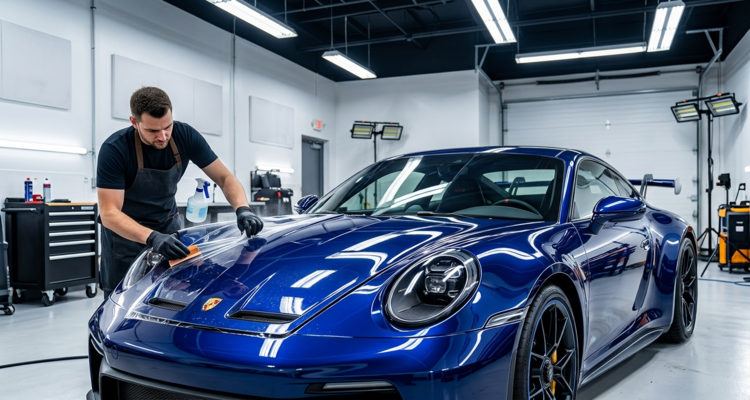
Modern car ownership is no longer limited to regular servicing, washing, and occasional detailing. As vehicle owners become more conscious about preserving their cars, exterior protection is gaining greater attention. Daily driving exposes automotive paint to road debris, dust, pollution, sunlight, insects, and changing weather conditions, all of which can gradually affect a vehicle’s appearance.
Among the solutions available today, Paint Protection Film (PPF) is becoming an increasingly popular choice for owners looking to take a preventive approach to exterior maintenance.
The Growing Need for Paint Protection
A vehicle's factory paint is designed to withstand normal driving conditions, but it remains vulnerable to everyday exposure. Small stones and gravel can cause chips, while road debris and improper washing techniques may contribute to surface scratches.
Environmental contaminants such as bird droppings, tree sap, insects, and pollution can also affect the finish if they remain on the surface for extended periods.
Regular washing and detailing help maintain cleanliness and appearance, but they cannot provide a substantial physical barrier against every type of road-related damage.
How Paint Protection Film Helps
Paint Protection Film is designed to create an additional layer over selected painted areas of a vehicle. When professionally installed, it can help reduce exposure to minor stone chips, scratches, road debris, insects, and certain environmental contaminants.
The film is commonly applied to high-impact areas such as the front bumper, hood, fenders, side mirrors, and door edges. Depending on the owner's requirements, coverage can range from specific vulnerable panels to more comprehensive protection.
For new vehicles, PPF can be particularly attractive because it allows owners to protect the factory finish from the beginning.
PPF Technology Has Evolved
Modern PPF is considerably more versatile than earlier generations of protective film. Clear PPF remains a popular choice for owners who want to maintain the vehicle's original appearance, but different finishes are now available.
Matte and satin PPF can provide a distinctive visual appearance while adding a protective layer over the paint. Printable PPF can also support customized graphics, patterns, and branding when compatible printing technology is used.
Certain advanced films feature self-healing properties that can help reduce the visibility of some minor surface marks when exposed to suitable heat.
These developments have made PPF relevant not only to vehicle protection but also to modern automotive styling.
A Preventive Approach to Vehicle Maintenance
The growing popularity of PPF reflects a broader shift toward preventive car care. Instead of waiting for chips or scratches to appear, owners can take steps to reduce the risk of everyday paint damage.
However, PPF does not replace regular vehicle maintenance. Cars with protective film still require appropriate washing and cleaning. Following the manufacturer's maintenance recommendations can help preserve the film's clarity and appearance.
Professional installation is also important. Proper surface preparation, accurate application, and careful edge finishing can have a significant impact on the final result.
Why More Owners Are Considering PPF
PPF can be particularly relevant for people who drive frequently, travel on highways, park outdoors, or own vehicles where maintaining the original finish is a priority.
The decision to install PPF ultimately depends on factors such as driving conditions, vehicle type, desired coverage, budget, film characteristics, and long-term maintenance expectations.
Conclusion
Paint protection is becoming an increasingly important consideration for modern car owners who want to preserve their vehicle's factory appearance. While traditional washing and detailing remain essential, Paint Protection Film provides an additional physical layer designed to help reduce everyday exposure to road and environmental hazards.
With advances in film technology, finishes, and customization options, PPF now offers more flexibility than ever. When professionally installed and properly maintained, it can form an important part of a long-term strategy for protecting and maintaining a vehicle's exterior.
Frequently Asked Questions
1. What is Paint Protection Film?
Paint Protection Film is a protective layer applied over automotive painted surfaces to help reduce the effects of minor scratches, stone chips, road debris, and environmental contaminants.
2. Is PPF suitable for new cars?
Yes. Many owners choose PPF for new vehicles to help protect the factory paint from everyday exposure right from the beginning.
3. Can PPF prevent all paint damage?
No. PPF is not completely damage-proof. Severe impacts, accidents, and deep scratches can still damage the film and potentially the underlying surface.
4. Can PPF change a car's appearance?
Yes. Clear PPF maintains the original appearance, while matte, satin, and certain printable films can provide different styling options.
5. Does a car with PPF still need regular cleaning?
Yes. Regular cleaning is important for removing dirt and contaminants and maintaining the appearance and condition of the protective film.


 English
 Arabic
 Spanish
 Portuguese
 Deutsch
 Turkish
 Dutch
Dutch
 Italiano
 Russian
 Romaian
 Portuguese (Brazil)
 Greek
Greek