


Paver Installation Services for Durable Berlin CT Outdoor Spaces
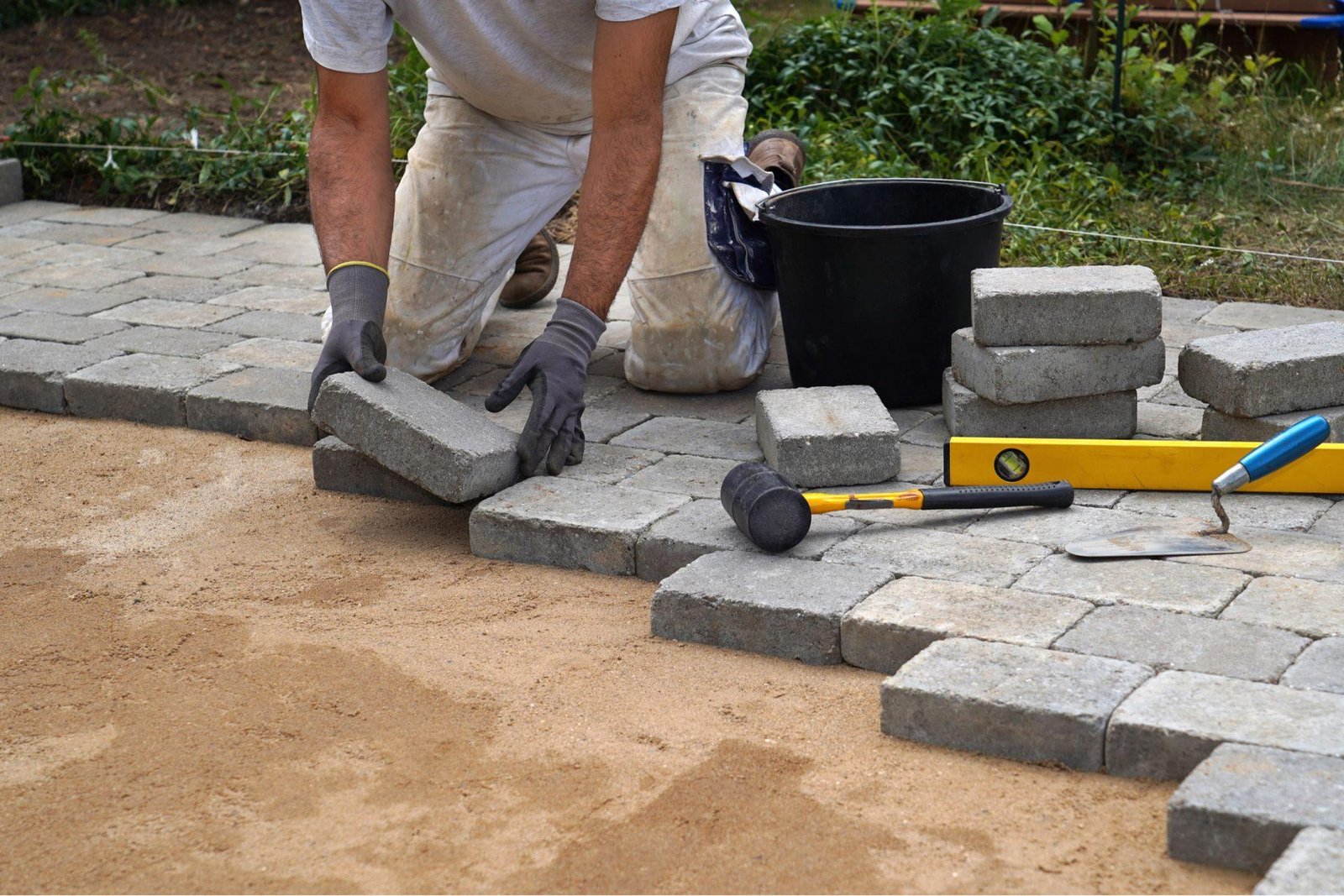
Improve your Berlin CT driveway or patio with paver installation services built for local weather. Learn what to check before choosing a contractor today.
A patio that rocks under your feet or a driveway with shifting pavers can quickly become more than a cosmetic issue. In Berlin, CT, proper paver installation services need to account for drainage, soil movement, freeze-thaw cycles, and the amount of traffic the surface will handle. Drawing from local project experience, Surmount Contractors approaches paver work as a foundation and drainage project first, followed by the visible finish.
What Professional Paver Installation Actually Involves
The exact construction depends on the project. A pedestrian walkway does not carry the same load as a driveway, and a patio on a sloped property may require different grading or drainage work than a level backyard area.
Common paver projects in Berlin include patios, walkways, driveways, entry paths, pool surrounds, steps, and outdoor entertaining areas. Concrete pavers and brick-style units are available in different colors, shapes, textures, and laying patterns.
In Berlin, we've noticed that most homeowners initially focus on color and pattern. Those choices matter, but the condition of the soil and the quality of the base have a much greater effect on how the finished surface performs over time.
That is why proper site preparation deserves as much attention as the pavers themselves. Current Berlin-area paving contractors also emphasize excavation, compacted base layers, drainage, edge restraint, and joint stabilization as key parts of a lasting installation.
Paver installation is more than placing blocks in an attractive pattern. A durable surface starts below the pavers with excavation, grading, a compacted aggregate base, bedding material, edge restraints, and properly filled joints.
The Real Challenge in Berlin CT
Berlin properties can experience wet conditions, winter freezing, and repeated freeze-thaw movement. Water that remains beneath or beside a paved surface can contribute to soil movement, settling, and uneven areas after seasonal changes.
The problem is not always the paver itself. A perfectly good paver can become uneven if the underlying base was poorly compacted or if water has nowhere sensible to move.
A client in Berlin reached out after noticing that several pavers near a frequently used entrance had started sitting lower than the surrounding surface. The visible problem looked like a simple replacement job, but the underlying concern was water and base movement. Instead of treating only the few affected pieces, the area needed to be assessed as a complete section so the repair would not simply repeat the same failure.
One objection homeowners often have is that proper preparation sounds like unnecessary extra work. It can increase the initial project cost, but skipping excavation or base preparation can create much larger repair expenses later. Current local service pages also identify site conditions, slope, drainage, accessibility, and project scope as factors that affect both installation requirements and pricing.
Another question that deserves a direct answer is whether existing concrete should always be removed before installing pavers. Not necessarily. In some situations, an existing concrete surface may provide a suitable base for an overlay system, but drainage, cracking, elevation, door thresholds, and the condition of the slab all need to be evaluated first. A contractor should explain why a particular approach is appropriate rather than automatically recommending one method.
How Surmount Contractors Approaches Paver Projects Differently
Surmount Contractors treats the visible paver layout as only one part of the project. The first concern is the surface underneath it.
The process typically starts with assessing the proposed area, measuring the layout, checking grades, and identifying drainage concerns. From there, unsuitable material can be excavated, the subgrade prepared, and aggregate installed in compacted layers. Bedding material is then placed at the correct thickness before the pavers are set and aligned.
Edge restraints also deserve attention. Without adequate containment, repeated foot or vehicle traffic can gradually push pavers outward. Joint material helps stabilize the finished surface, while final compaction settles the units into place.
For a driveway, the base and drainage requirements are particularly important because vehicles place substantially more load on the surface than people walking across a patio. A driveway layout may also benefit from stronger edge details and a pattern suited to repeated vehicle traffic.
Surmount Contractors' Berlin-area approach also considers how the pavers connect with existing features such as steps, walkways, landscaping, foundations, and drainage paths. That connection work is often where small installation mistakes become visible later.
A useful insight that generic paving articles often miss is that the edge of a paver project can be just as critical as its center. Homeowners naturally inspect the middle of a new patio because that is where the pattern is most visible. Yet loose borders, poorly supported transitions, and water collecting along the perimeter can become early trouble spots.
Current Berlin-area competitors already discuss installation steps, product choices, driveways, patios, walkways, and pricing. A stronger decision process is to also evaluate the less visible construction details, especially drainage transitions and the condition of the surrounding ground.
Practical Tips: What to Know Before You Decide
Start by deciding how the surface will actually be used. A small seating patio has different requirements from a driveway used by multiple vehicles every day. Knowing the intended use helps determine the appropriate base, paver thickness, layout, and edge treatment.
Working with clients in Berlin, our team found that homeowners can save time during planning by thinking about drainage before choosing a final layout. A beautiful patio that directs runoff toward a foundation, basement entry, or low section of the yard can create problems after installation.
Material selection deserves some thought as well. Concrete pavers in Berlin CT offer many shapes and patterns, while brick pavers provide a traditional appearance. Interlocking designs can also make individual-unit replacement easier if localized damage occurs in the future.
Ask a contractor these questions before signing a proposal:
-
How deep will the area be excavated?
-
What base material will be installed?
-
How will the base be compacted?
-
Where will surface water go?
-
What edge restraints will be used?
-
How will the new surface meet existing steps or pavement?
-
Is repair or replacement of individual pavers possible later?
-
What is included in the written estimate?
Do not compare quotes on price alone. Two proposals can look similar on paper while allowing very different amounts of excavation, base material, drainage work, labor, and finishing.
Berlin homeowners should also plan around the local construction season. Outdoor hardscape work is affected by ground conditions and weather, so a project schedule should allow enough time for proper preparation rather than rushing the installation simply to meet a preferred completion date.
For larger projects, consider how the surface will interact with the rest of the property. A patio may eventually connect to a walkway. A driveway may meet an existing asphalt apron. A backyard project may need grading or retaining work nearby. Thinking about those transitions early can prevent awkward elevation changes later.
Finally, ask to see examples of completed work that resemble your project. A contractor experienced with patios may not have the same approach to vehicle-bearing surfaces, and driveway work requires different structural considerations than a decorative garden path.
Build the Base Right for a Longer-Lasting Surface
Good paver work in Berlin starts long before the first visible stone is placed. Proper excavation, drainage, compaction, edge support, and material selection all influence how the finished surface handles everyday use and seasonal weather.
For homeowners planning patios, walkways, or driveway paver installation, a site assessment is a practical first step. Surmount Contractors can evaluate the property and discuss paver options for residential projects in Berlin, CT without treating the surface finish as the only concern.
4. FAQs
1. How long do pavers last in Berlin, CT?
Properly installed pavers can provide many years of service, with lifespan depending on material quality, base preparation, drainage, traffic, and maintenance. Individual units may eventually crack or become damaged, but one advantage of pavers is that affected sections can often be removed and replaced instead of rebuilding the entire surface.
2. How much does paver installation cost in Berlin, CT?
There is no single price because project size, excavation depth, access, materials, drainage, design complexity, and intended use all affect the estimate. Local published examples show that patio projects can vary widely in cost. A written site-specific estimate is more useful than relying on a generic price per square foot.
3. How do I know if a paver contractor is legitimate?
Check that the contractor provides a clear written proposal, explains the installation process, identifies the materials and base preparation, and can show relevant completed projects. Ask about insurance, applicable Connecticut licensing requirements, warranties, references, and who will actually perform the work. Avoid contractors who cannot clearly explain what is included in their price.
4. Can pavers be installed over an existing concrete patio?
Sometimes, yes. An existing concrete slab may support an overlay if it is structurally sound and site conditions allow it. Cracks, drainage, surface height, surrounding grades, and door thresholds all need evaluation first. Removing the concrete may be necessary if the slab has significant movement, drainage problems, or structural deterioration.
5. Are brick pavers a good choice for a driveway?
Brick pavers can work well for driveways when the system is designed and installed for vehicle loads. The supporting base is especially important because cars create much greater pressure than pedestrian traffic. Proper edge restraint, drainage, joint treatment, and compaction also help reduce shifting and settlement over time.

 Spanish
 English
 Arabic
 French
 Portuguese
 Deutsch
 Turkish
 Dutch
Dutch
 Italiano
 Russian
 Romaian
 Portuguese (Brazil)
 Greek
Greek
